

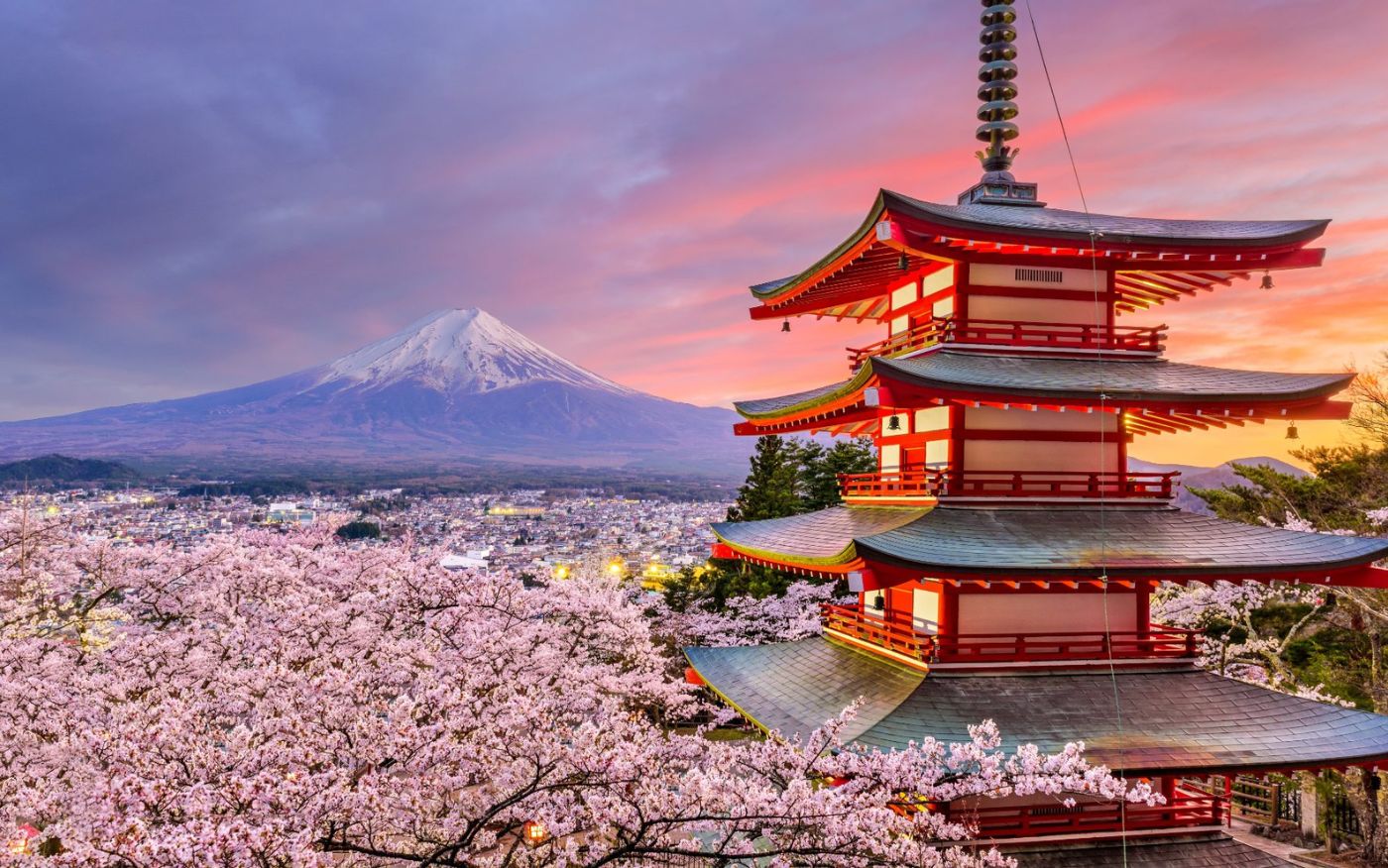
Ever wondered when the real magic happens in Japan? Is it beneath a canopy of cherry blossoms in April, beside a giant snow sculpture at a February festival, or aboard a high-speed Shinkansen journey through the Japanese countryside?
With every season offering something completely different, the best time to visit Japan ultimately depends on the kind of experience you are looking for. From spring blossoms and summer festivals to autumn foliage and snowy winter landscapes, Japan offers unforgettable experiences throughout the year.
Spring is perhaps the most popular and picturesque season to visit Japan.
While March can be too early for the famous cherry blossoms in many parts of the country, there is still plenty to experience. On March 3, Japan celebrates Hina Matsuri, or Girls’ Day, when homes and public spaces are decorated with traditional hina dolls representing wishes for girls’ health and happiness. Particularly impressive displays can be found in places such as Saitama and Tokushima.
April is the classic month for cherry blossom viewing. Parks, riversides, gardens, and historic streets across Japan transform into shades of pink and white, particularly in destinations such as Kyoto, Tokyo, and Nara. Although the blossoms usually last only a short time, the tradition of hanami, or cherry blossom viewing, brings people together for festive picnics beneath the trees.
May is another excellent month for traveling around Japan, with pleasant temperatures, lush green landscapes, and generally comfortable conditions for sightseeing. However, travelers should be aware of Golden Week, which takes place from late April through early May and is one of Japan’s busiest holiday periods. Trains, hotels, and popular attractions can become extremely crowded.
The Sanja Matsuri in Tokyo, traditionally held in May, brings the streets to life with dancing, drumming, and spectacular mikoshi processions. It is one of Tokyo’s most vibrant traditional festivals.
Summer in Japan is filled with colorful festivals, spectacular fireworks, traditional celebrations, and the iconic yukata, lightweight cotton garments worn during the warmer months.
June marks the beginning of the tsuyu, or rainy season, which generally lasts several weeks and plays an important role in Japan’s agriculture. June is also the season of hydrangeas, with destinations such as Kamakura and Kyoto becoming especially beautiful. Temples including Meigetsu-in and Mimuroto-ji are famous for their colorful hydrangea displays.
In Tokyo, the Sanno Matsuri takes place in June. Dating back centuries, it is one of the major traditional festivals associated with Tokyo and features processions, mikoshi, and participants dressed in historical costumes.
July marks the height of Japan’s summer festival season. One of the most famous celebrations is the Gion Matsuri in Kyoto, a tradition dating back more than 1,000 years. Throughout July, Kyoto hosts spectacular processions featuring enormous and beautifully decorated floats known as yamaboko.
In Sendai and other parts of Japan, Tanabata, or the Star Festival, celebrates the legendary meeting of two star-crossed lovers. Streets are decorated with colorful streamers, paper ornaments, and handwritten wishes attached to bamboo branches.
July also marks the beginning of the main beach season. Coastal destinations such as Kamakura and Shirahama attract visitors looking to swim, relax by the sea, enjoy local food, and experience the atmosphere of a traditional Japanese summer.
August is a month strongly associated with remembrance and family traditions. Obon, one of Japan’s most important annual observances, honors deceased ancestors and is celebrated through traditional dances, memorial ceremonies, and family gatherings.
One particularly moving tradition is Toro Nagashi, in which paper lanterns are floated along rivers to symbolically guide ancestral spirits back to the afterlife.
After the heat and energy of summer, September brings a gradual transition toward cooler and more comfortable weather.
It is also associated with Tsukimi, the traditional Japanese moon-viewing festival. People gather to admire the autumn full moon while enjoying seasonal sweets, sake, and decorative grasses. The tradition is particularly atmospheric in historic locations such as Nara and Mito.
By October, the famous momiji season begins, transforming Japan’s forests, gardens, temples, and mountain landscapes into spectacular shades of red, orange, yellow, and gold.
In Kyoto, the Jidai Matsuri, or Festival of the Ages, recreates scenes from Japanese history through elaborate processions featuring samurai, nobles, and courtiers dressed in traditional costumes.
By November, autumn foliage reaches its peak in many parts of Japan. Kyoto is especially spectacular, with temples and gardens such as Eikando and Tofuku-ji surrounded by brilliant autumn colors. The season also provides a beautiful setting for traditional Japanese tea ceremonies, where tranquility and appreciation of nature are central to the experience.
Winter in Japan brings a completely different atmosphere, with snow-covered mountains, steaming hot springs, illuminated cities, and spectacular winter festivals.
December begins the winter season with dazzling light displays throughout the country. Tokyo is particularly impressive, with seasonal illuminations transforming areas such as Shibuya and Roppongi into magical evening landscapes.
In Nagano, visitors can witness one of Japan’s most famous winter sights: the Japanese macaques of Jigokudani, commonly known as snow monkeys, relaxing in naturally heated hot springs while snow falls around them.
January begins with the beautiful tradition of Hatsuhinode, the viewing of the first sunrise of the year. People gather at beaches, mountains, and other scenic locations to welcome the new year and make wishes for the months ahead.
January is also an excellent time to experience Japan’s famous onsen culture. In destinations such as Hokkaido and Nagano, travelers can combine skiing and winter adventures with relaxing hot-spring baths surrounded by snowy landscapes.
Finally, February brings one of Japan’s most spectacular winter celebrations, the Sapporo Snow Festival. Held in Sapporo, known as the winter capital of Japan, the festival features enormous snow and ice sculptures, some reaching more than 15 meters in height, alongside illuminations and winter entertainment.
There is no single best month to visit Japan. April is ideal for cherry blossoms, May offers pleasant weather and lush scenery, July and August are perfect for festivals and summer experiences, October and November are spectacular for autumn foliage, while January and February are excellent for snow, skiing, hot springs, and winter festivals.
Whether you dream of walking beneath cherry blossoms in Kyoto, experiencing traditional festivals in Tokyo, relaxing in a mountain onsen, or watching snow monkeys surrounded by winter scenery, Japan offers something extraordinary in every season.
April and November are among the most popular months, thanks to cherry blossoms in spring and spectacular autumn foliage in fall. However, the ideal month depends on your interests and preferred activities.
Yes. April is one of the most popular times to visit Japan because of the cherry blossoms, pleasant spring atmosphere, and numerous cultural experiences. It can also be busy and more expensive in popular destinations.
Yes. May generally offers comfortable temperatures, lush landscapes, and excellent sightseeing conditions. Travelers should be particularly aware of Golden Week, when domestic travel increases significantly.
Cherry blossom season generally begins in southern and central parts of Japan during March and April, although exact timing varies each year and by region.
October and November are generally the best months for autumn foliage. The exact timing varies depending on location and altitude, with northern and mountainous areas changing color earlier.
Absolutely. Winter is ideal for skiing, snow festivals, hot springs, winter illuminations, and seeing the famous snow monkeys of Nagano.
The Sapporo Snow Festival traditionally takes place in February and is one of Japan’s most famous winter events.
Summer is excellent for travelers interested in festivals, fireworks, beaches, and traditional events. However, many areas can be hot and humid, and June typically brings the rainy season.
Golden Week is a major holiday period that takes place from late April into early May. It is one of the busiest travel periods in Japan, so accommodation and transportation should be booked well in advance.
Spring and autumn are particularly attractive for a first visit because of their comfortable weather, beautiful scenery, and abundance of cultural experiences. However, Japan is a year-round destination, with each season offering its own unique character.
For additional information about the best times to travel around Japan and experiencing the country by train, visit JRailPass.
