
DISCOVER MONTENEGRO: THE ADRIATIC'S HIDDEN LUXURY DESTINATION
Montenegro is a small Balkan country on the Adriatic coast, wedged between Croatia, Bosnia and Herzegovina, Serbia, Kosovo, and Albania. Despite its size under 14,000 km² Montenegro packs fortified old Venetian towns, a fjord-like UNESCO bay, luxury yacht marinas, alpine national parks, and Europe's deepest canyon into a country you can cross in a few hours. For travelers planning a trip to Montenegro, that density is the appeal: you can swim in the Adriatic in the morning and stand in the mountains by afternoon.
MONTENEGRO AT A GLANCE
Capital: Podgorica
Independence: June 3, 2006 (from the State Union of Serbia and Montenegro)
Population: ~620,000
Area: roughly 13,800 km²
Region: Southeastern Europe, Balkan Peninsula, Adriatic coastline
Language: Montenegrin (official); Serbian, Bosnian, and Albanian also widely spoken; English common in tourist areas
Currency: Euro (EUR) used unilaterally; Montenegro is not an EU member
Climate: Mediterranean on the coast, Alpine inland
Main airports: Podgorica Airport (TGD) and Tivat Airport (TIV), the primary gateway for the coastal region
NATO member since 2017; EU candidate country
THE HISTORY OF MONTENEGRO
Ancient and Medieval Roots
The region was settled by Illyrian tribes before Roman rule, and later by Slavic peoples from the 6th and 7th centuries onward. By the medieval period it had emerged as the Principality of Zeta, a precursor to modern Montenegro, centered around what is now the coastal and central regions of the country.
Ottoman Era and the Petrović-Njegoš Dynasty
Unlike much of the Balkans, Montenegro's mountainous interior was never fully subdued by the Ottoman Empire, and it maintained effective self-rule for centuries under the Petrović-Njegoš dynasty of prince-bishops. Njegoš, the 19th-century ruler-poet, remains a central figure in Montenegrin national identity; his mausoleum sits atop Mount Lovćen. Montenegro's independence was formally recognized at the Congress of Berlin in 1878, and it became a kingdom in 1910 under King Nikola I.
Yugoslavia and Independence
After World War I, Montenegro became part of the Kingdom of Serbs, Croats and Slovenes, later Yugoslavia. It remained a constituent republic through the Socialist Federal Republic of Yugoslavia and, after the 1990s breakup, formed a state union with Serbia. On May 21, 2006, Montenegrins voted in a referendum to restore full independence, formally declared on June 3, 2006 — making Montenegro one of Europe's youngest sovereign states.
Modern Montenegro
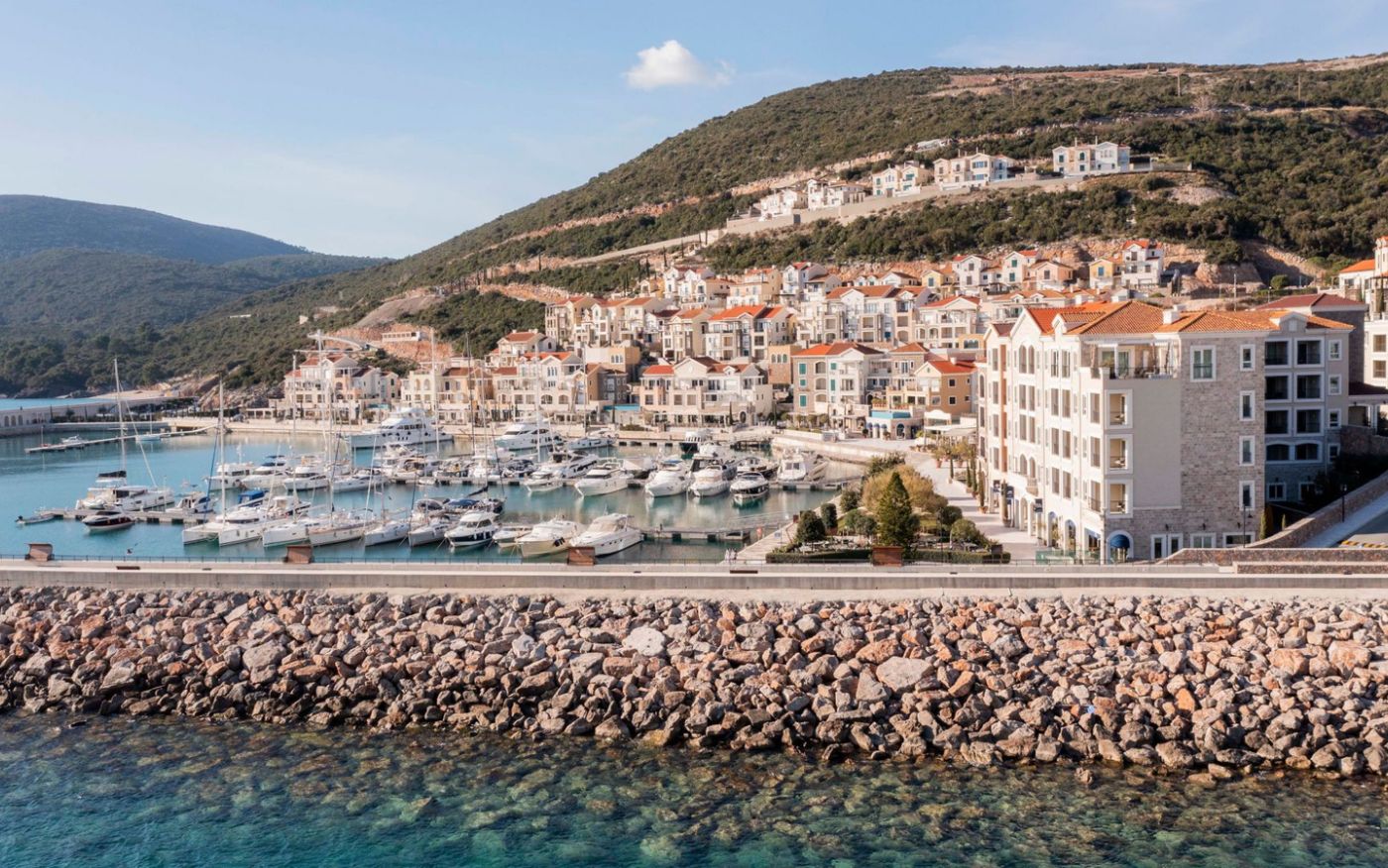
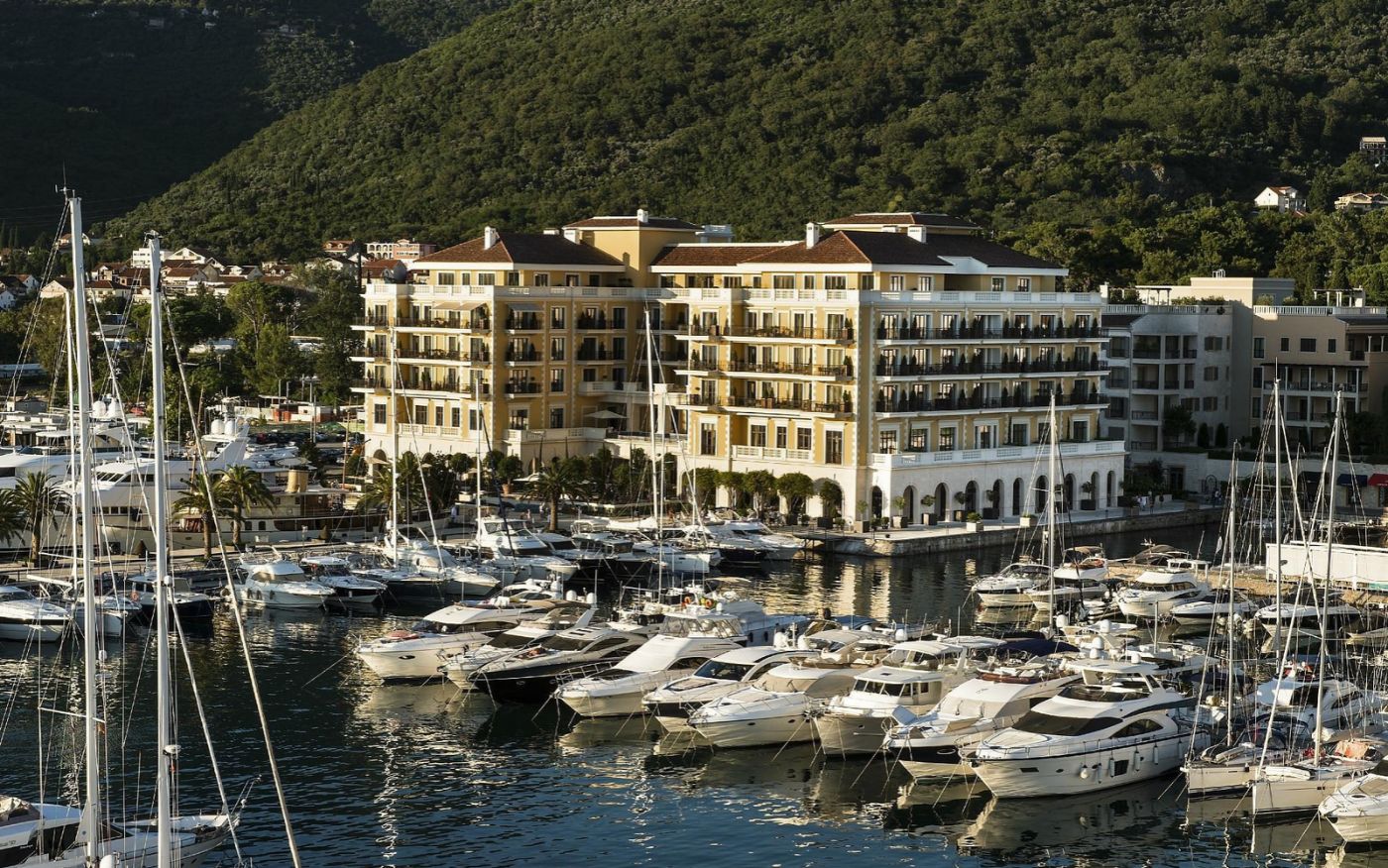
Since independence, Montenegro has built its economy heavily around tourism and, more recently, luxury real estate and marina development, most visibly at Porto Montenegro in Tivat, a superyacht marina that has repositioned the country as a Mediterranean luxury destination on par with Croatia's and Montenegro's more established neighbors.
MAIN DESTINATIONS AND TOP THINGS TO DO IN MONTENEGRO
The Bay of Kotor
A UNESCO World Heritage Site since 1979, the Bay of Kotor is often described as Europe's southernmost fjord, though it's technically a submerged river canyon. Steep limestone mountains drop straight into the Adriatic around a bay dotted with Venetian-era towns.
Kotor Old Town: a walled medieval town of stone squares and churches, backed by fortifications climbing the mountainside to St. John's Fortress; the 1,350-step climb is rewarded with panoramic bay views.
Perast: a small baroque town of noble palaces on the bay's edge and the departure point for boats to Our Lady of the Rocks, an artificial islet with a Baroque church and museum.
Our Lady of the Rocks is one of only two artificial islands in the Adriatic, built up over centuries by local sailors.
The Budva Riviera
Budva — Montenegro's main beach resort town, with a compact Venetian old town, lively nightlife, and some of the coast's busiest beaches.
Sveti Stefan: a fortified islet village connected to the mainland by a sandbar, now home to the Aman Sveti Stefan resort, one of the most photographed and luxurious properties on the Adriatic.
Rafailovići, Pržno, and Petrovac are quieter beach villages nearby, popular for a more relaxed coastal stay.
Tivat and Porto Montenegro
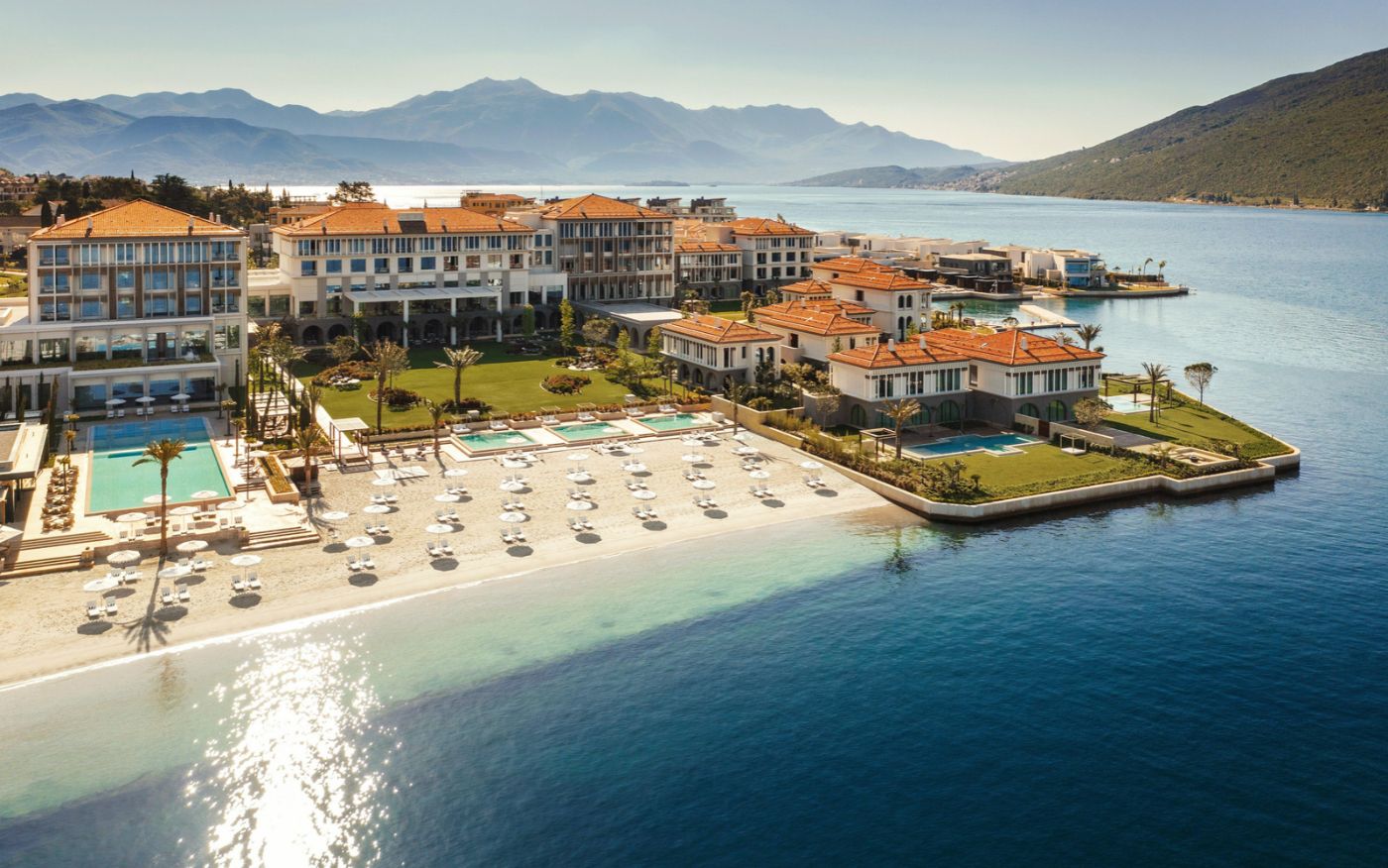
Once a modest naval town, Tivat is now home to Porto Montenegro, a luxury marina and residential development that draws superyachts and high-end travelers, alongside Tivat Airport, the main entry point for the coast in summer.
Herceg Novi and Ulcinj
Herceg Novi, a fortress town at the bay's entrance, is known for its steps, subtropical gardens, and old spa town character.
Ulcinj, near the Albanian border, is home to Montenegro's longest sandy beach, Velika Plaža (Great Beach), and Ada Bojana, a river-delta islet popular with windsurfers and a more bohemian crowd.
Inland and Mountain Montenegro
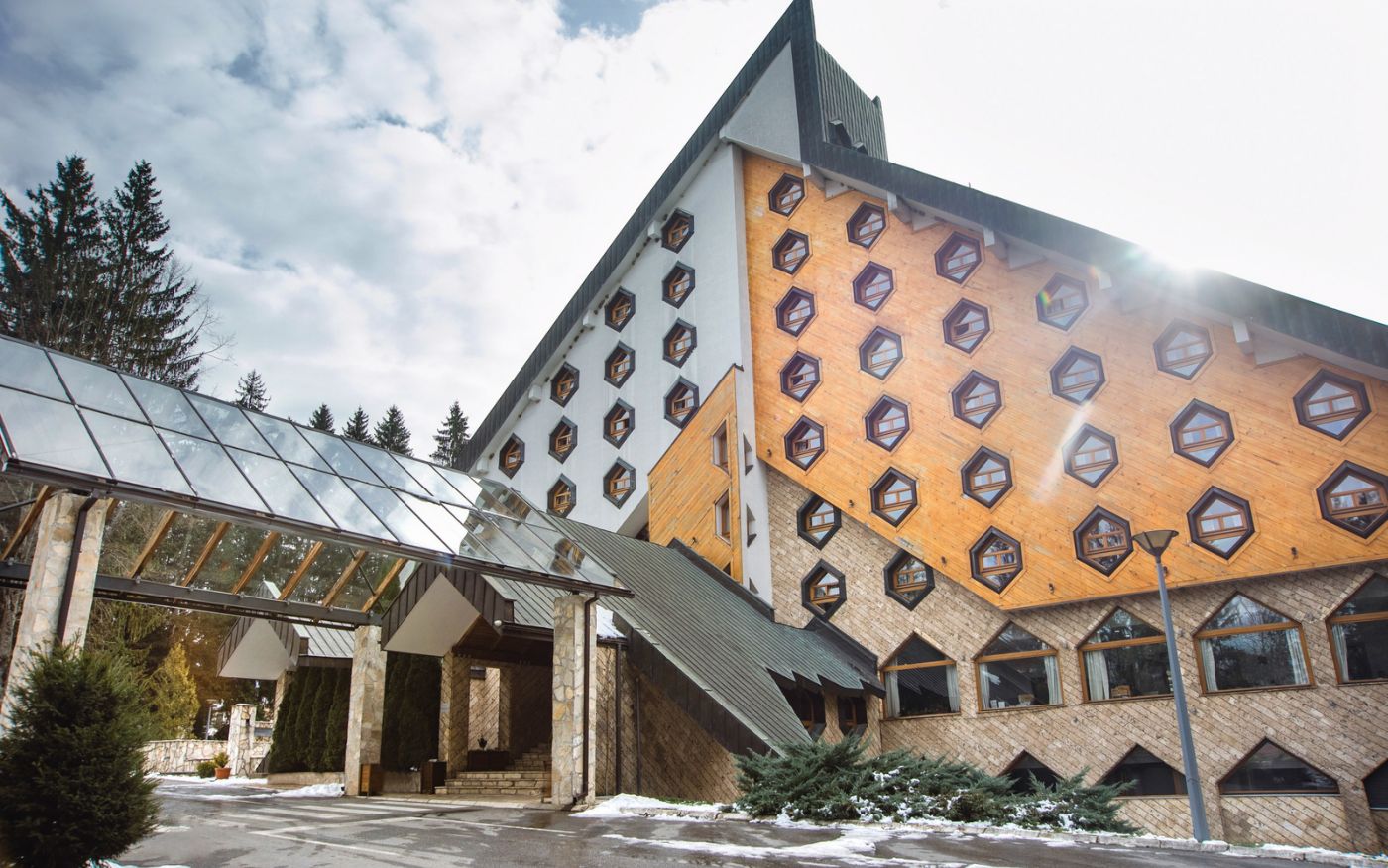
Durmitor National Park: a UNESCO World Heritage site centered on the Durmitor massif, with glacial lakes (including Black Lake), hiking, and winter skiing at Žabljak.
Tara River Canyon: the deepest canyon in Europe, running through Durmitor, and one of the top whitewater rafting destinations in the region.
Ostrog Monastery: A Serbian Orthodox monastery built directly into a vertical cliff face, one of the most visited pilgrimage and cultural sites in the Balkans.
Lake Skadar National Park is the largest lake in the Balkans, shared with Albania, and is known for birdwatching, wine villages, and boat trips through water-lily-covered channels.
Lovćen National Park: home to Njegoš's mausoleum at Jezerski vrh, with sweeping views over the Bay of Kotor.
CULTURE AND CUISINE IN MONTENEGRO
Montenegrin cuisine blends Mediterranean coastal cooking with hearty Balkan mountain fare, often changing dramatically between the coast and the interior within the same country.
Njeguški pršut: air-dried smoked ham from the Njeguši village near Lovćen, paired with Njeguški sir (a local hard cheese)
Kačamak: a rustic cornmeal and potato dish with cheese and kajmak, typical of the mountain regions
Crni rižot (black risotto): a coastal specialty made with cuttlefish ink, common in Kotor and Budva
Rakija: the region's fruit brandy, offered as a welcome drink across Montenegro
WEATHER AND BEST TIME TO VISIT MONTENEGRO
Season: Spring | Months: April–June | Average Temperature: 14°C–24°C | Warm coast, blooming interior, fewer crowds
Season: Summer | Months: July–August | Average Temperature: 24°C–32°C | Peak season on the coast; hot and dry, busiest in Budva and Kotor
Season: Autumn | Months: September–October | Average Temperature: 17°C–26°C | Warm sea, thinner crowds, strong value
Season: Winter | Months: December–February | Average Temperature: 3°C–11°C on the coast, colder inland | Mild coast, snow in Durmitor for skiing
The best time to visit Montenegro's coast is May–June or September–October for warm weather without peak-season crowds; winter (December–March) is best for Durmitor's ski season.
GETTING TO MONTENEGRO AND PRACTICAL TIPS
Montenegro is served by two main airports: Podgorica Airport (TGD), the larger, year-round hub near the capital, and Tivat Airport (TIV), which handles heavy seasonal traffic into the coastal Bay of Kotor region each summer. Many EU, US, UK, and other visitors can enter Montenegro visa-free for short stays, though it's worth checking current requirements before booking. The Euro is used as the official currency despite Montenegro not being an EU member, which makes budgeting straightforward for travelers from the eurozone. Coastal distances are short: Kotor to Budva is about 30 minutes by car, and Tivat to Kotor is roughly 20 minutes, making a base on the Bay of Kotor a practical hub for day trips along the whole coast.
FREQUENTLY ASKED QUESTIONS ABOUT MONTENEGRO
When did Montenegro become independent?
Montenegro became independent on June 3, 2006, following a referendum held on May 21, 2006.
What is Montenegro known for?
Montenegro is known for the Bay of Kotor, its UNESCO-listed old towns, luxury coastal resorts like Sveti Stefan and Porto Montenegro, and mountain destinations like Durmitor National Park and the Tara River Canyon.
What is the best time of year to visit Montenegro?
May–June and September–October offer the best balance of warm weather and manageable crowds on the coast; July–August is peak beach season, and winter is best for skiing in Durmitor.
Is Kotor walkable?
Yes. Kotor's Old Town is fully pedestrian and compact, with the climb to St. John's Fortress being the main physical exertion for most visitors.
How far is Kotor from Budva or Tivat?
Kotor is about 30 minutes from Budva and roughly 20 minutes from Tivat by car, making the Bay of Kotor a convenient base for exploring the coast.
How many days do you need in Montenegro?
Four to five days covers the coastal highlights — Kotor, Perast, Budva, and Sveti Stefan — with an extra day or two recommended to add Durmitor National Park or Lake Skadar.
Is Montenegro safe for tourists?
Montenegro is generally considered safe for tourists.
What currency is used in Montenegro?
The Euro (EUR) is used as the de facto currency, even though Montenegro is not part of the European Union.
Do I need a visa to visit Montenegro?
Visa requirements depend on nationality; many EU, US, UK, and other visitors can enter visa-free for short stays, so it's worth checking current requirements before booking.
How can I reach Montenegro?
Montenegro is reached mainly through Podgorica Airport (TGD) or Tivat Airport (TIV), the latter being the primary gateway for the coastal Bay of Kotor region in summer. Overland travel by bus or car is also common from Croatia, Serbia, Bosnia and Herzegovina, and Albania.
Can I book luxury stays or private tours in Montenegro?
Yes. Montenegro has developed a strong luxury travel offering in recent years, from the Aman Sveti Stefan resort to the Porto Montenegro marina in Tivat, alongside private yacht charters, custom coastal itineraries, and tailored day trips to Kotor, Perast, Durmitor, and Lake Skadar.