

Durrës is Albania's second-largest city and its main port, set on the Adriatic coast about 40 km west of Tirana, roughly 40 minutes to an hour by road. Founded by Greek colonists in the 7th century BC under the name Epidamnos, later known as Dyrrhachion under Rome, it has been a major trading hub for over 2,700 years and today combines the largest Roman amphitheatre in the Balkans with Albania's longest and most popular sand beach. Most travellers spend one to three days here, exploring the amphitheatre, Venetian Tower, and Archaeological Museum in the morning, then heading to the beach or promenade for the afternoon. Best months: May, June, and September, for warm sea temperatures without the peak-August crowds.
Durrës is often the first real handshake travellers have with the Albanian coast, mainly because it sits so close to Tirana International Airport, but it rewards more than a passing glance. This is a city where you can turn a corner in a modern neighbourhood and walk straight into a Byzantine wall, where a 2,000-year-old amphitheatre sits a few streets back from beach bars and seafood restaurants, and where Illyrian, Greek, Roman, Byzantine, Venetian, and Ottoman layers of history are genuinely stacked on top of each other rather than roped off in a single museum district.
It's worth setting expectations correctly: Durrës is a real, busy port city, not a manicured resort town, and the water directly off the main city beach isn't the turquoise you'll find further south on the Riviera. What it offers instead is convenience and range, ancient ruins, a lively evening promenade, Albania's longest beach strip, and easy access to quieter swimming spots and day trips, all just a short hop from the capital. For travellers building an Albania itinerary, Durrës works well either as a coastal add-on to a Tirana stay or as the arrival and departure base for a longer trip further south.
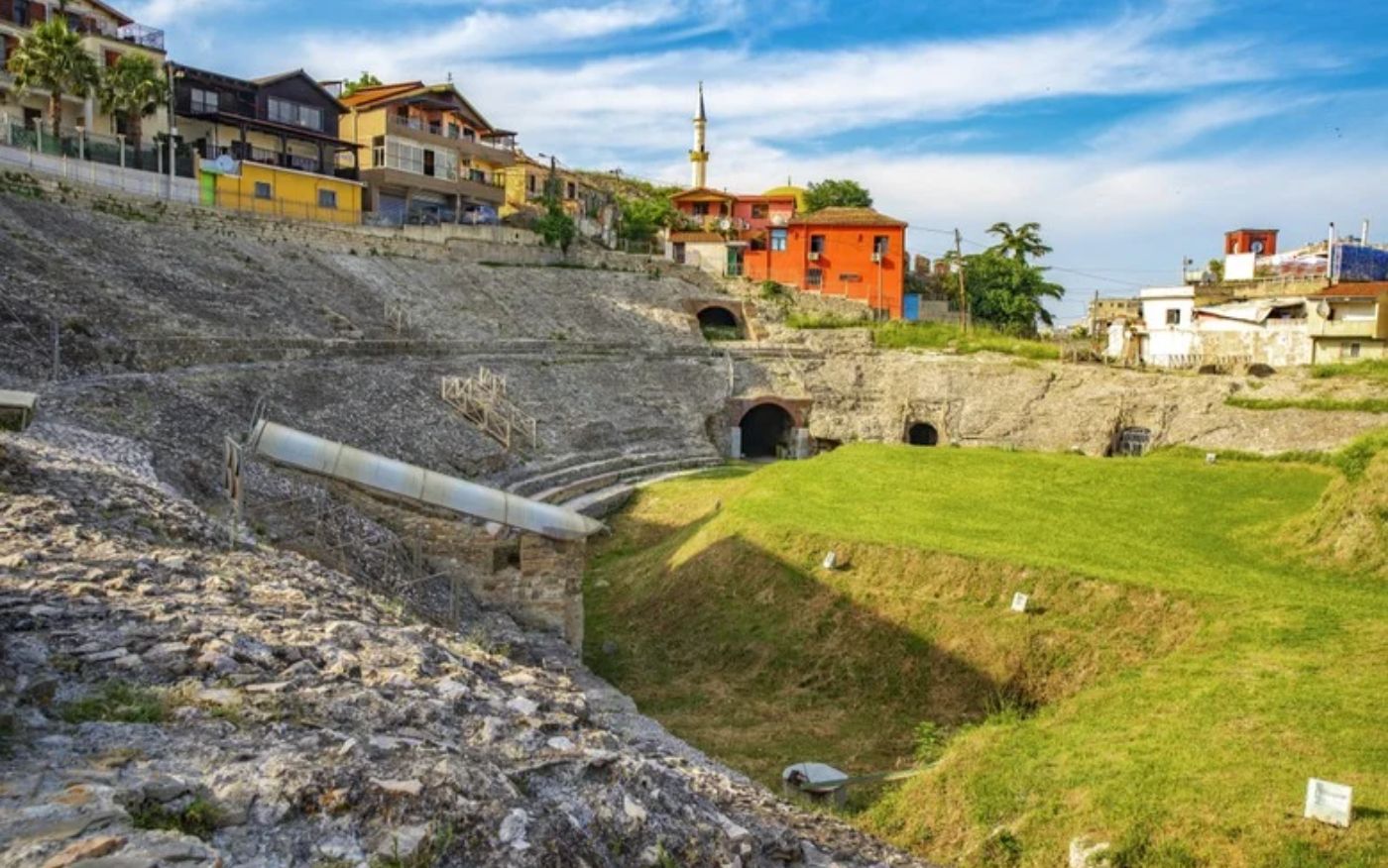
The Durrës Amphitheatre is the city's must-see monument, and rightfully so. Built in the 2nd century AD, likely during the reign of Trajan or Hadrian, it once held crowds of up to 15,000 to 20,000 spectators and remains the largest amphitheatre of its kind in the Balkans, larger even than similar structures elsewhere in the region. Remarkably, it lay buried and largely forgotten until it was rediscovered by chance in 1966, hidden for centuries beneath the modern city.
Inside, visitors can walk through cool, dim underground passages and ancient seating tiers, but the real highlight is tucked into the structure itself: a small Byzantine chapel with early Christian mosaics, some of the finest surviving in Albania, marking the amphitheatre's later transformation from a pagan arena of spectacle into a Christian sanctuary. Standing in that chapel, ringed by 2,000-year-old stone, is one of the more quietly moving experiences on the whole Albanian coast.
Practical note: entry runs around 300 lekë (roughly $3.50), making it one of the best-value historical sites in the country. Allow about an hour for a proper visit, longer if you want to also cover the small on-site exhibits.
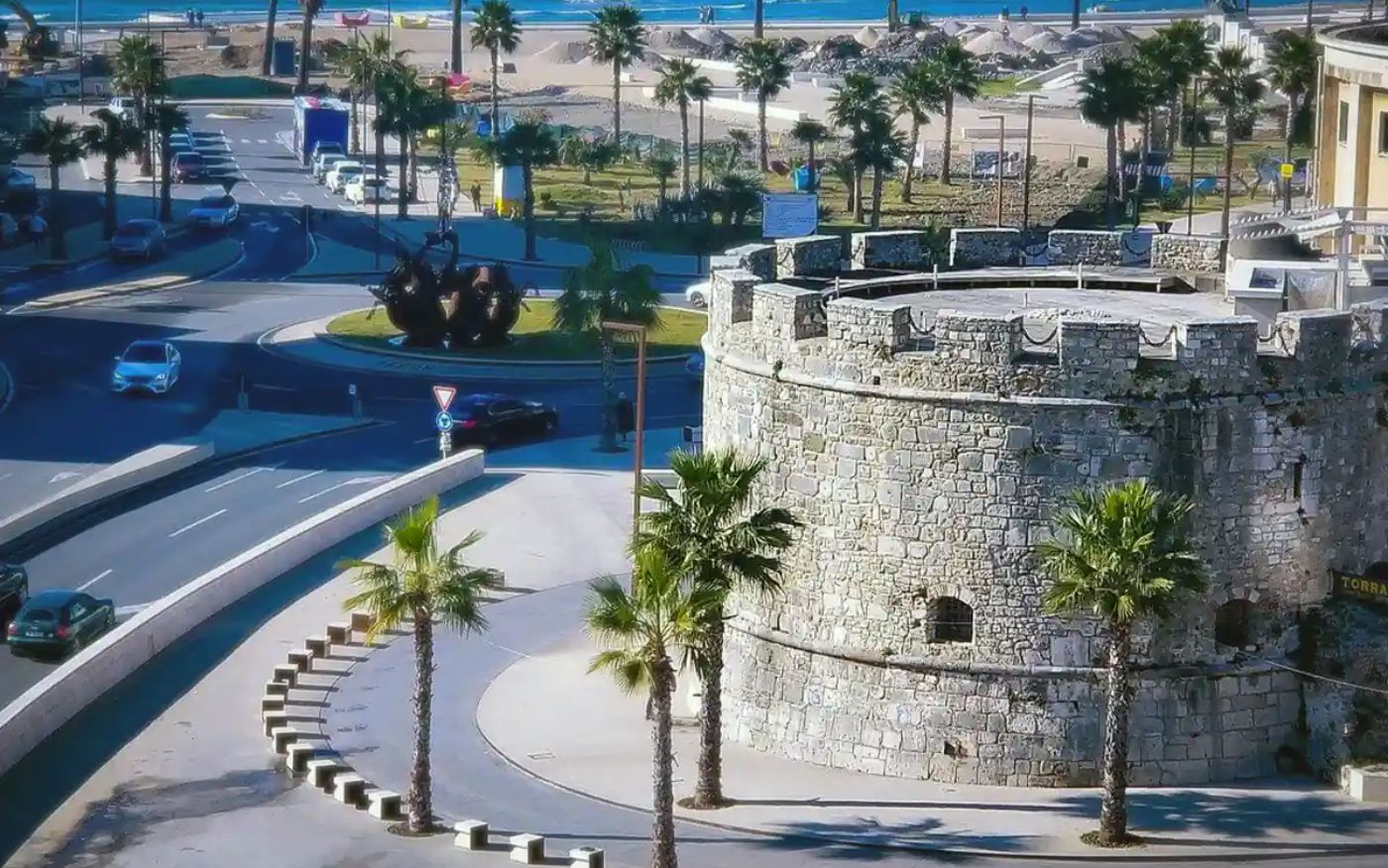
Perched on the edge of the old Byzantine defensive walls, the Venetian Tower (Torra) is one of Durrës's most recognisable landmarks, a recently restored circular fort built during the period of Venetian rule to help guard the port from seaborne attack. Today it functions less as a monument to enter and more as a scenic anchor point, the perfect starting spot for an evening xhiro (stroll) along the walls, with sweeping views over the harbour and the old town rooftops.
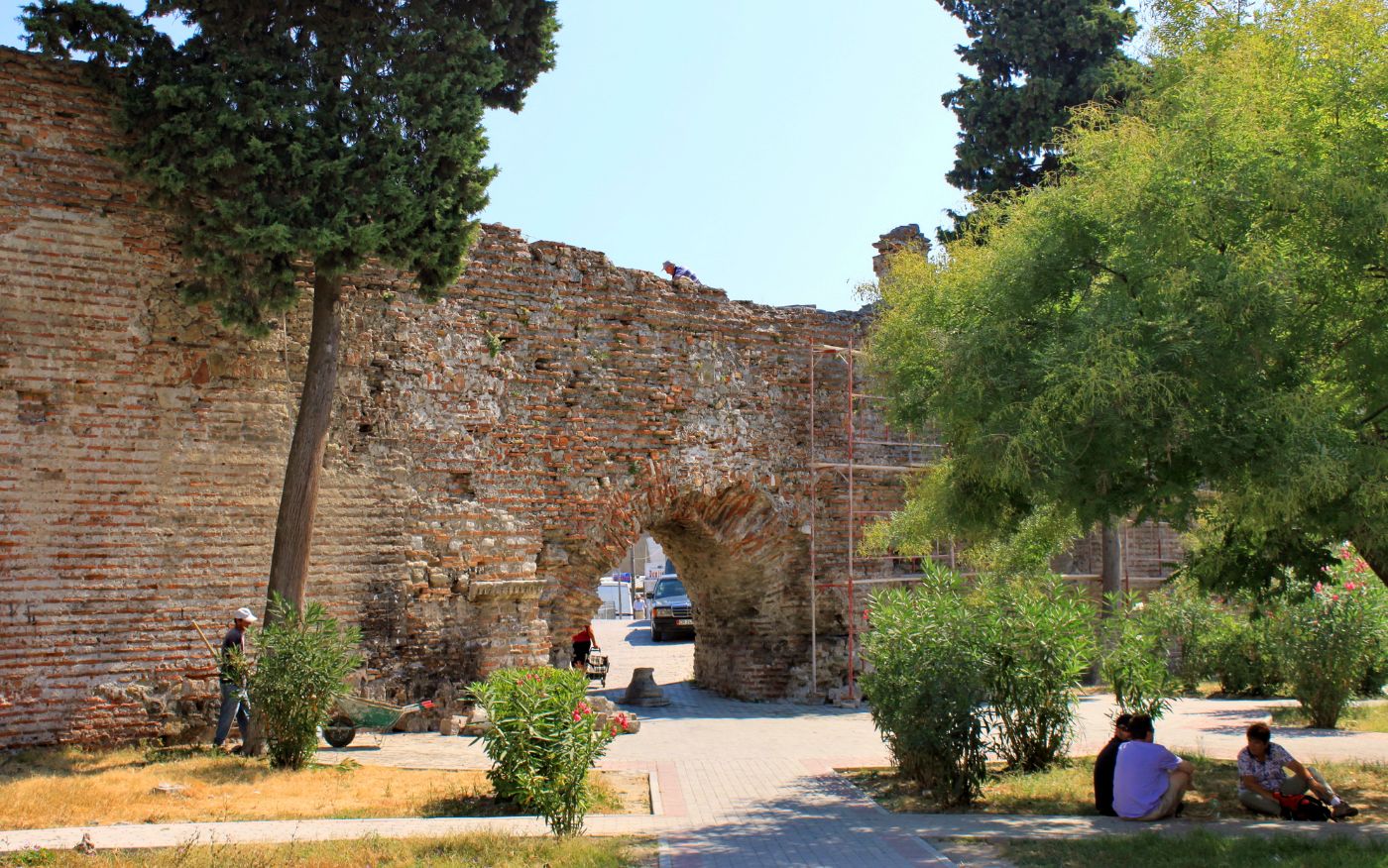
Following the line of the walls on foot is one of the best free things to do in the city, since Durrës's defensive fortifications, in various states of preservation, thread through the modern streets in a way that makes the city feel genuinely layered rather than curated for tourists.
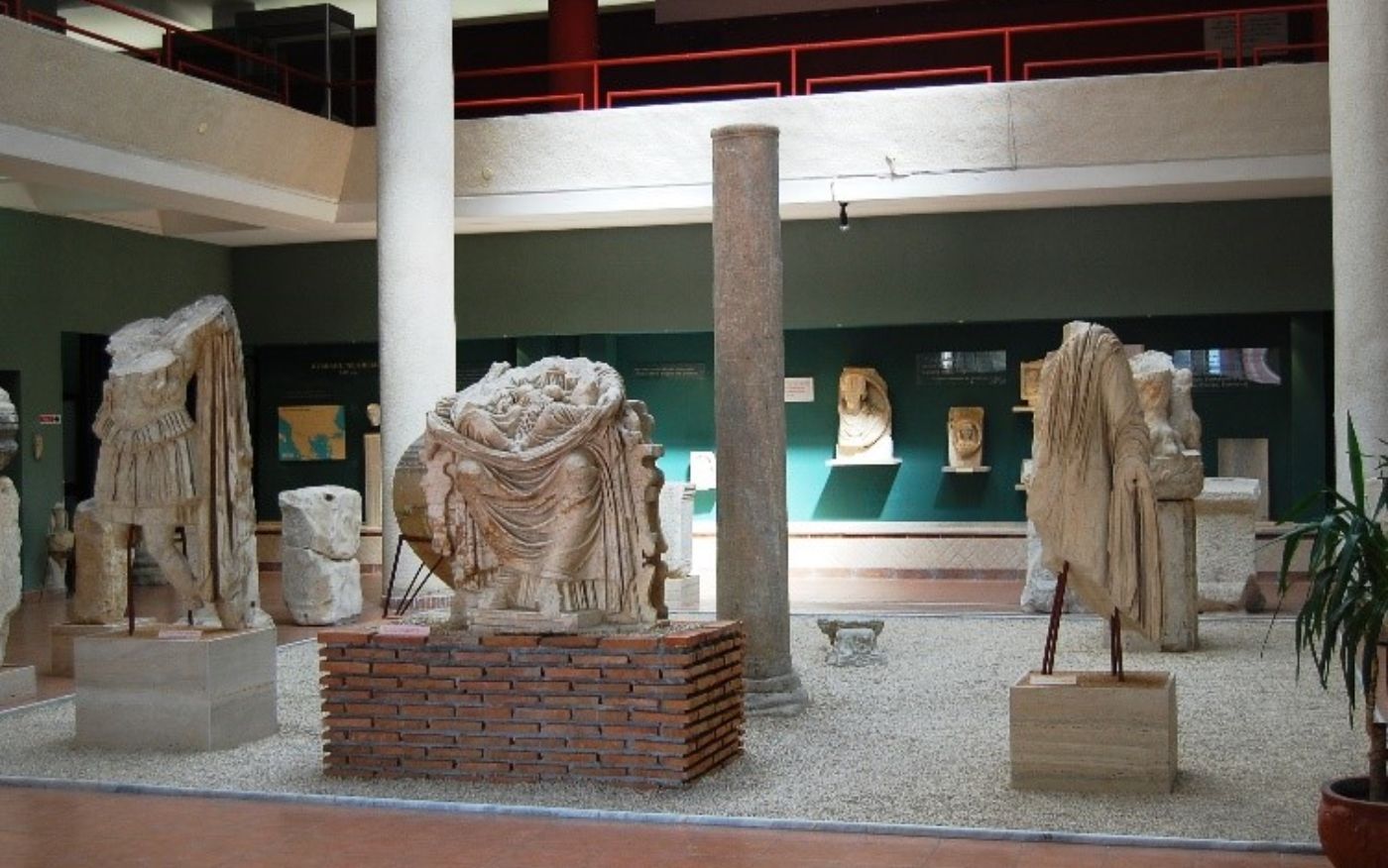
For a fuller picture of Durrës's long history, the Archaeological Museum, the largest of its kind in the country, is essential. Its halls hold a rich collection of Illyrian, Greek, and Roman artefacts, statues, mosaics, and everyday objects that bring the amphitheatre and city walls outside into sharper context, giving a genuine sense of daily life in this ancient Adriatic port across the centuries.
Nearby, the Byzantine Forum and adjoining Roman Baths are a smaller, quieter set of ruins that reveal how the ancient city actually functioned as a working port and civic centre under Roman and Byzantine rule. They're an easy, unhurried add-on to a morning spent at the amphitheatre and museum, best explored slowly rather than rushed.
Set on slightly elevated ground, the Fatih Mosque is one of the more peaceful and architecturally striking religious sites in Durrës, reflecting the city's Ottoman-era heritage with elegant construction and well-kept gardens that offer a calm break from the busier waterfront streets below. It's a natural stop while wandering the old town's tangle of streets between the amphitheatre and the harbour, where Ottoman, Venetian, and modern buildings sit within a short walk of one another.
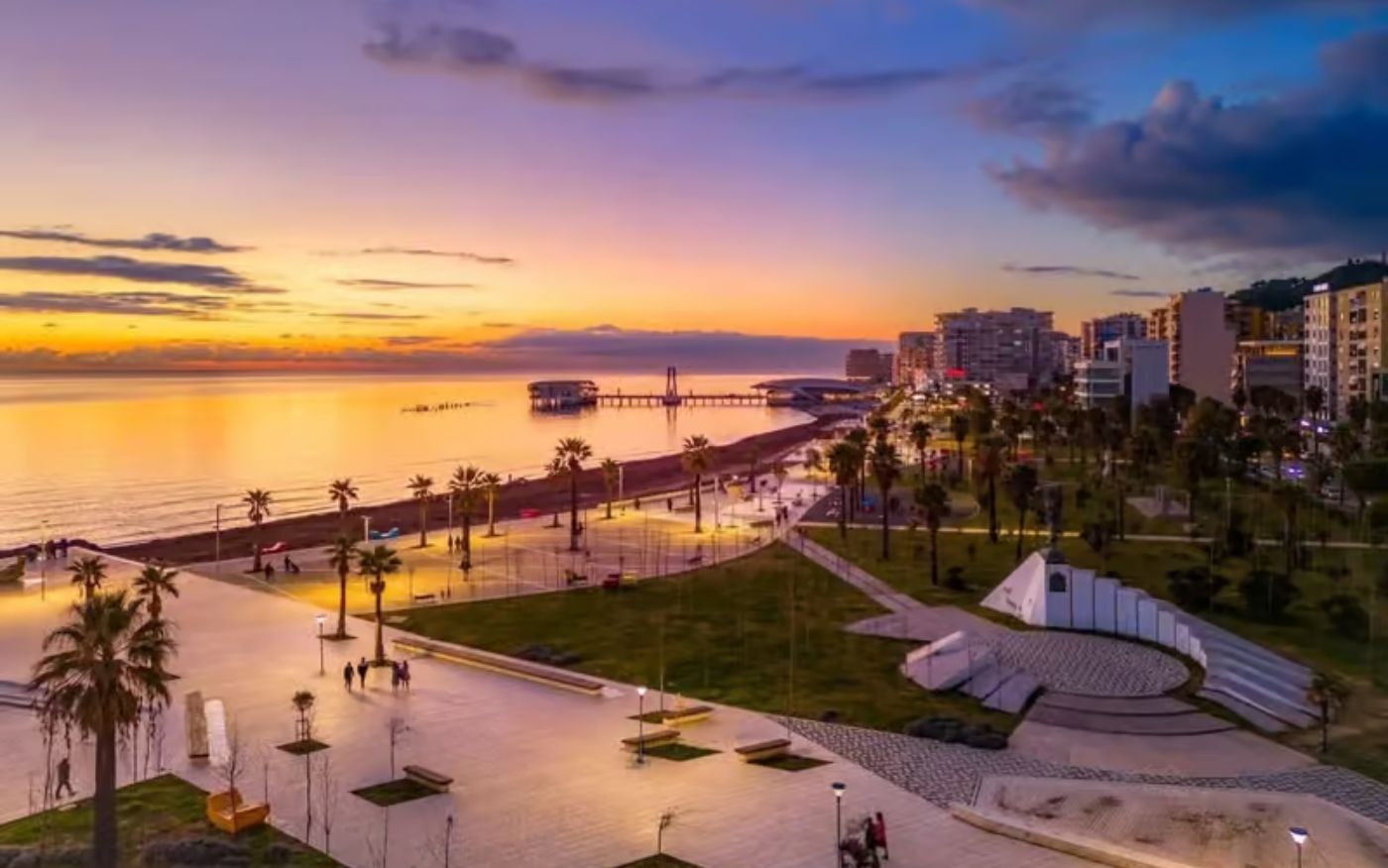
Durrës Beach is the most visited beach in Albania, a long sandy stretch running for several kilometres along the Adriatic, lined with beach bars, seafood restaurants, and umbrella rentals, and especially popular with families and travellers who want easy, direct access to the sea alongside a lively evening scene. The promenade backing the beach fills with cafés, restaurants, and bars where locals gather to watch the sunset over the water, one of the best low-key ways to get a feel for everyday life here.
For a noticeably better swimming experience than the busy central strip, most locals recommend heading either north to the rockier shoreline of Currila or south to the cleaner, sandier stretches of Golem and Mali i Robit, both a short drive from the centre and quieter than the main city beach in peak season.
Durrës makes a convenient base for a few worthwhile excursions along the coast and inland.
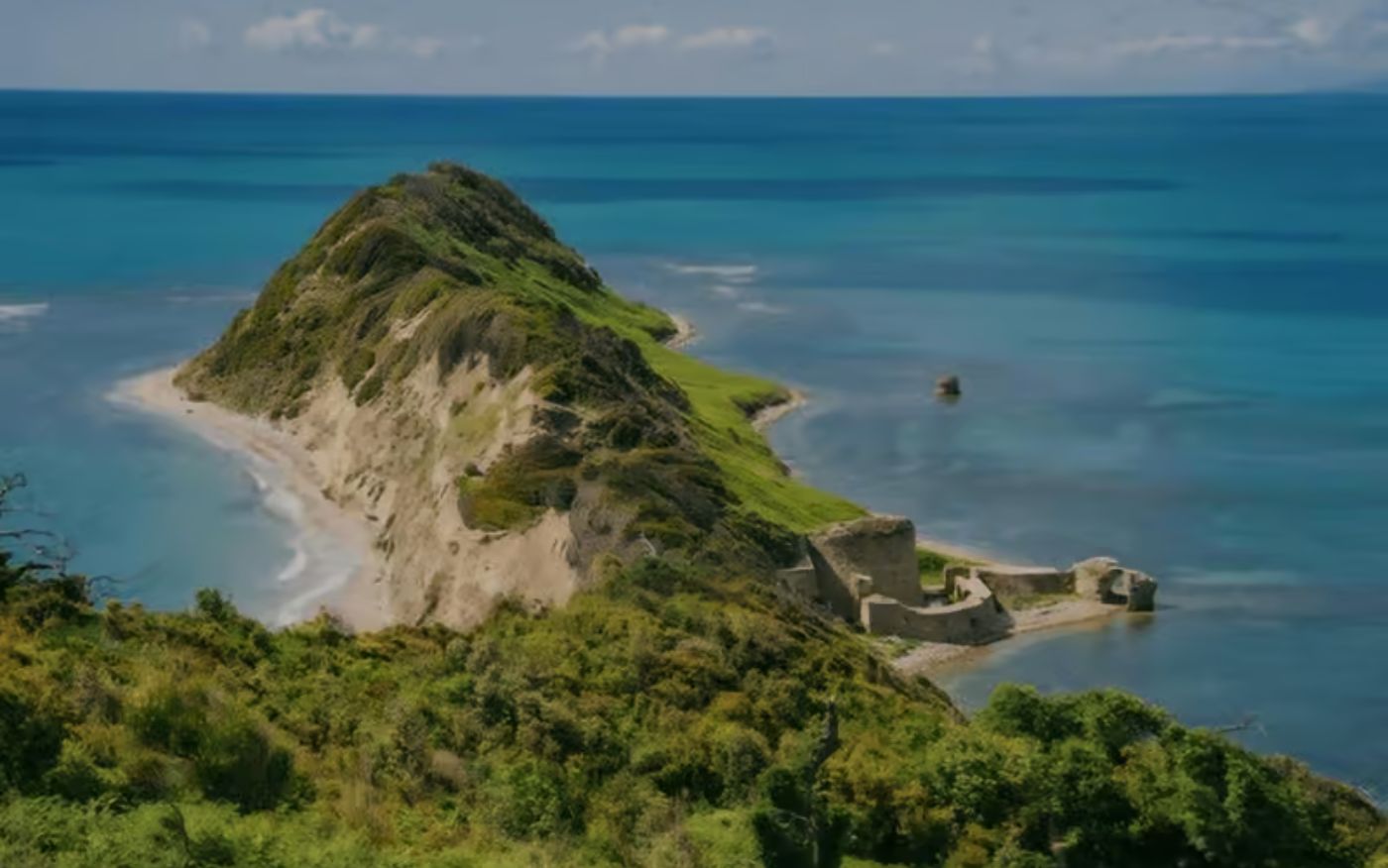
Cape of Rodon, a scenic headland north of the city with a small Venetian castle and rugged coastal views, a favourite half-day trip for travellers who want dramatic coastline without the crowds.
Gjiri i Lalzit Bay, a stretch of crystal-clear turquoise water and clean sandy beach north of the city, considered one of Albania's more pristine coastal spots and an easy add-on for a beach-focused day.
Kruja, the historic hilltop town famous for Skanderbeg Castle and its Old Bazaar, reachable within roughly an hour, a strong pairing for travellers who want to combine coast and Ottoman-era history on the same trip.
Seafood is the obvious draw in a working port city, and fresh fish, grilled or fried, is a safe bet at almost any waterfront restaurant. For something more distinctly local, try kofte at one of the small family-run tavernas around the old town, an affordable, authentic option away from the beachfront tourist strip; some local spots also serve frog legs as a specialty, an unusual but locally prized dish worth trying if you're feeling adventurous. Round out a meal with fresh bread, olive oil, and a glass of local wine, best enjoyed on a promenade terrace as the sun sets over the Adriatic.
May–June: warm, comfortable sea temperatures and green surroundings, with the beach lively but not yet at peak capacity.
July–August: hot and by far the busiest period, as both domestic and international travellers flock to the coast. Expect crowded beaches and higher prices; book accommodation well ahead.
September: still warm enough to swim, with noticeably thinner crowds and lower prices than August, arguably the best all-round month for a beach-and-history combination.
October–April: quiet and inexpensive, with the amphitheatre, museum, and old town fully open year-round, though beach season is effectively over and many seasonal beach bars close.
From Tirana: about 40 km, roughly 40 minutes to an hour by car, bus, or private transfer along a fast, direct road, one of the easiest short trips from the capital.
From Tirana International Airport (TIA): roughly 30 to 40 minutes by taxi or private transfer, making Durrës a practical first or last stop on an Albania itinerary.
From Kruja: about 45 minutes to an hour, an easy combination of coast and Ottoman-era hilltop history.
By ferry from Italy: Durrës is Albania's main international ferry port, with regular crossings from Bari and other Italian ports, making it a common entry point for travellers arriving overland from Italy.
Getting around town: the old town, amphitheatre, and harbour are all within easy walking distance of each other; the beach strip runs for several kilometres, so a bike, taxi, or the local bus is useful for reaching quieter stretches like Currila, Golem, or Mali i Robit.
The area around the old town and harbour puts you within walking distance of the amphitheatre, Venetian Tower, and Archaeological Museum, and suits travellers prioritising history and an easy evening stroll. The beachfront strip is the better choice for travellers who want direct sea access, beach bars, and a livelier holiday atmosphere, though it can feel crowded and less charming than the old town in peak summer. For a quieter, more upscale stay, the beaches at Golem and Mali i Robit to the south offer cleaner water and a calmer pace, a short drive from the city's historical core.
One day: enough to see the Amphitheatre, Venetian Tower, and Archaeological Museum, plus a walk along the promenade and a seafood dinner. A solid, if efficient, introduction to the city.
Two to three days: the ideal window if you also want real beach time, a day trip to Cape of Rodon or Kruja, or simply a slower pace exploring the old town's back streets and evening café culture.
We build private and small-group Durrës itineraries year-round, licensed local guides, hotel selection in the old town or along the beachfront, amphitheatre and museum tours, and full day-trip routing to Kruja and Cape of Rodon. [Browse our Albania tours] · [See Durrës hotels] · [Request a custom itinerary]
Yes. Durrës combines the largest Roman amphitheatre in the Balkans, a well-preserved Venetian tower and city walls, the country's largest archaeological museum, and Albania's longest and most popular beach, all within a compact, easily walkable port city close to Tirana.
Durrës is known for the Durrës Amphitheatre, one of the largest in the Balkans and home to early-Christian mosaics in its Byzantine chapel, for the Venetian Tower and Byzantine city walls, for its long sandy beach along the Adriatic, and for being Albania's main international ferry port.
About 40 km, roughly 40 minutes to an hour by car, bus, or private transfer.
Yes, and it's one of the easiest day trips from the capital. A single day covers the Amphitheatre, Venetian Tower, and Archaeological Museum comfortably, with time left over for the beach or promenade.
Around 300 lekë (roughly $3.50), making it one of the best-value historical sites on the Albanian coast. Prices can shift slightly, so it's worth confirming at the gate.
The main city beach is convenient and lively but not as clear as Albania's Riviera beaches further south. For better swimming, most locals recommend the rockier shore at Currila to the north or the cleaner sandy stretches at Golem and Mali i Robit to the south.
May, June, and September offer the best balance of warm, swimmable sea temperatures and manageable crowds, while July and August are hottest and busiest.
Yes. Albania has low rates of crime against visitors. In Durrës, the main practical considerations are normal port-city awareness in busy areas like the bus terminal and beachfront, and being cautious with belongings on crowded summer beaches.
