

Pogradec is a lakeside town in southeastern Albania, set on the southwestern shore of Lake Ohrid, about 140 km from Tirana and roughly 140 km from Korça, near the North Macedonian border. It sits on one of the oldest lakes in the world, estimated at between 1 and 5 million years old, exceptionally deep and clear, and shared with North Macedonia as a joint UNESCO World Heritage site since 2019. Most travellers spend two to three nights here, walking the lakeside promenade, swimming at the sandy beach, visiting Drilon National Park and the fishing village of Lin, and eating fresh trout at a jetty restaurant over the water. Best months: June to September, when the lake is warm enough to swim.
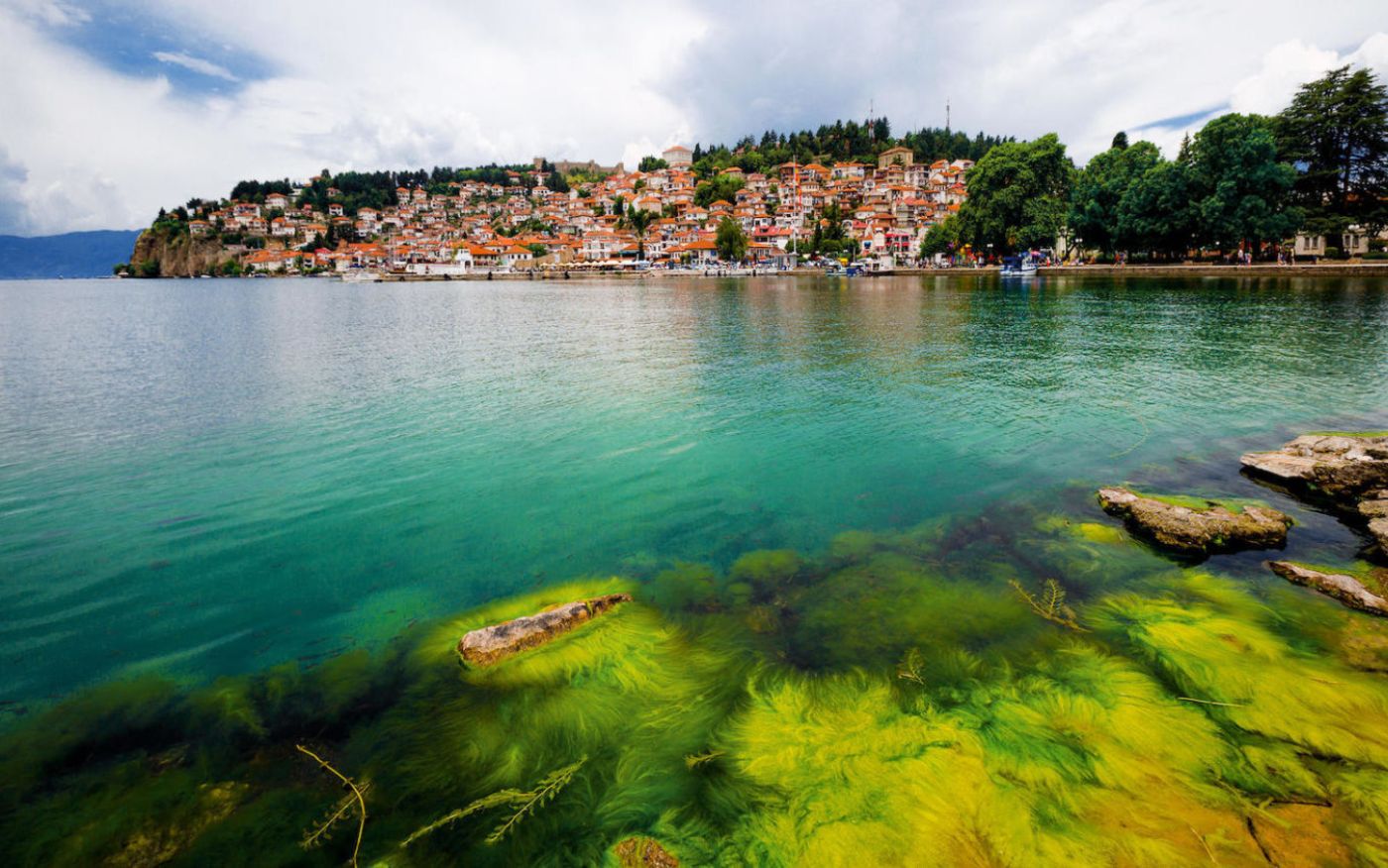
Albanians have been holidaying in Pogradec for decades, while most foreign visitors head straight for the Riviera and never learn this lakefront gem exists at all. That's part of the appeal. Roughly a third of Lake Ohrid lies within Albania, and its extraordinary depth, reaching 289 metres, and exceptional clarity have produced an ecosystem of endemic species found nowhere else on Earth, most famously the koran, a trout species unique to this single body of water. Ohrid town, on the North Macedonian side, gets the bulk of the international attention; Pogradec offers the same lake at a slower, more local pace.
What makes Pogradec worth building into a longer Albania itinerary is the combination of genuine natural beauty with an unhurried, unpolished character, wooden jetty restaurants, a proper sandy beach (a rarity on Albania's lake and river shores), and a scattering of nearby villages that reward a rental car or a day of guided exploring. For travellers coming from Korça, about 40 minutes to an hour away, or building a wider southeastern Albania route, Pogradec is a natural, restful counterpoint to the mountains and museum cities elsewhere in the region.
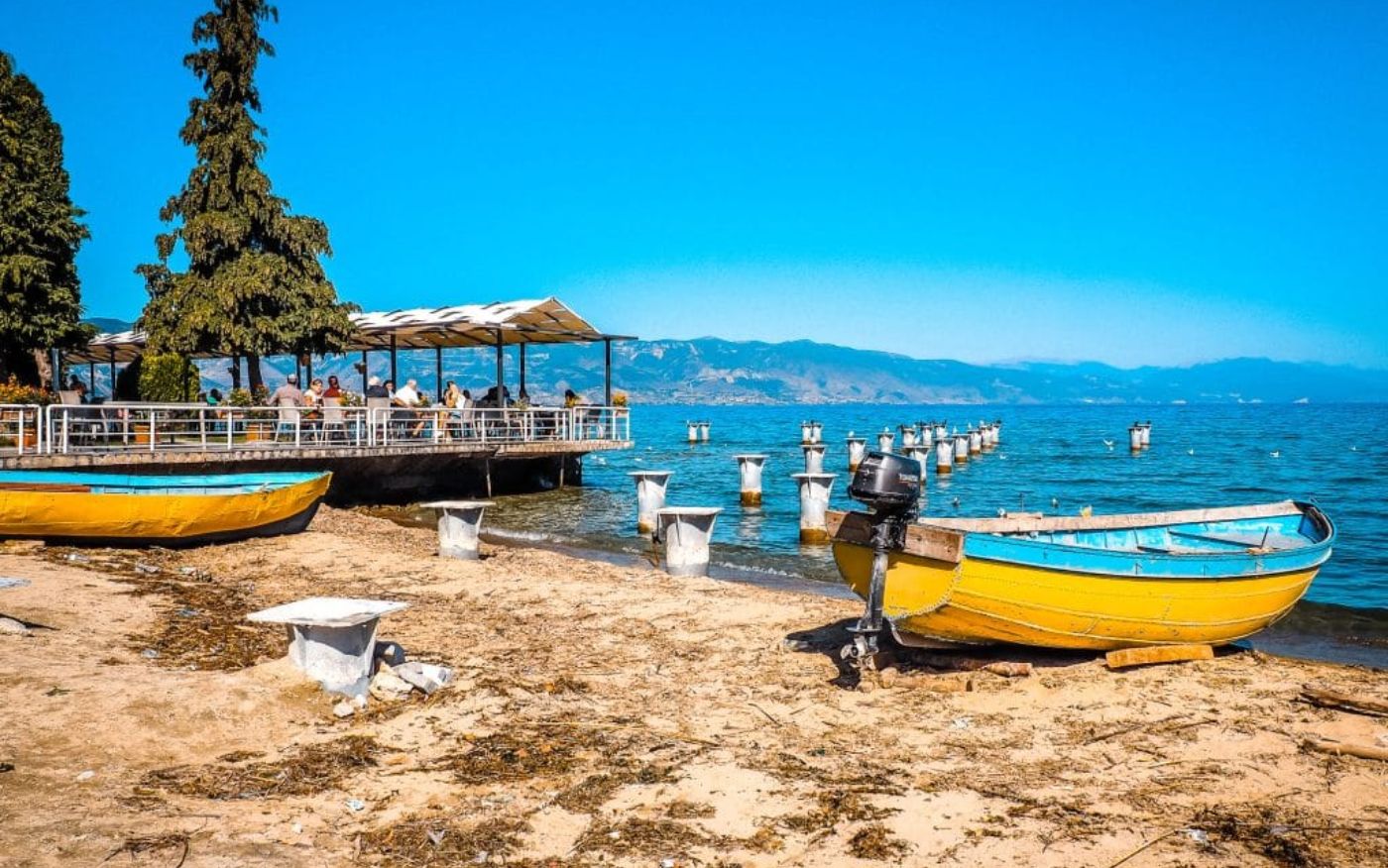
Pogradec's daily rhythm centres on its lakeside park and promenade, where locals and visitors alike stroll, cycle, and settle in at wooden jetty restaurants built out over the water. This is the place to watch the town's slow evening routine unfold, families out for a walk, fishermen bringing in the day's catch, and the light changing over the lake as the sun goes down.
The town also has a rare sandy beach, unusual for Albania's inland waters, and swimming is genuinely popular here through the summer, with water temperatures reaching a comfortable 22 to 26°C from July through September. It's an easy, low-key way to spend an afternoon between the more active parts of a Pogradec itinerary.
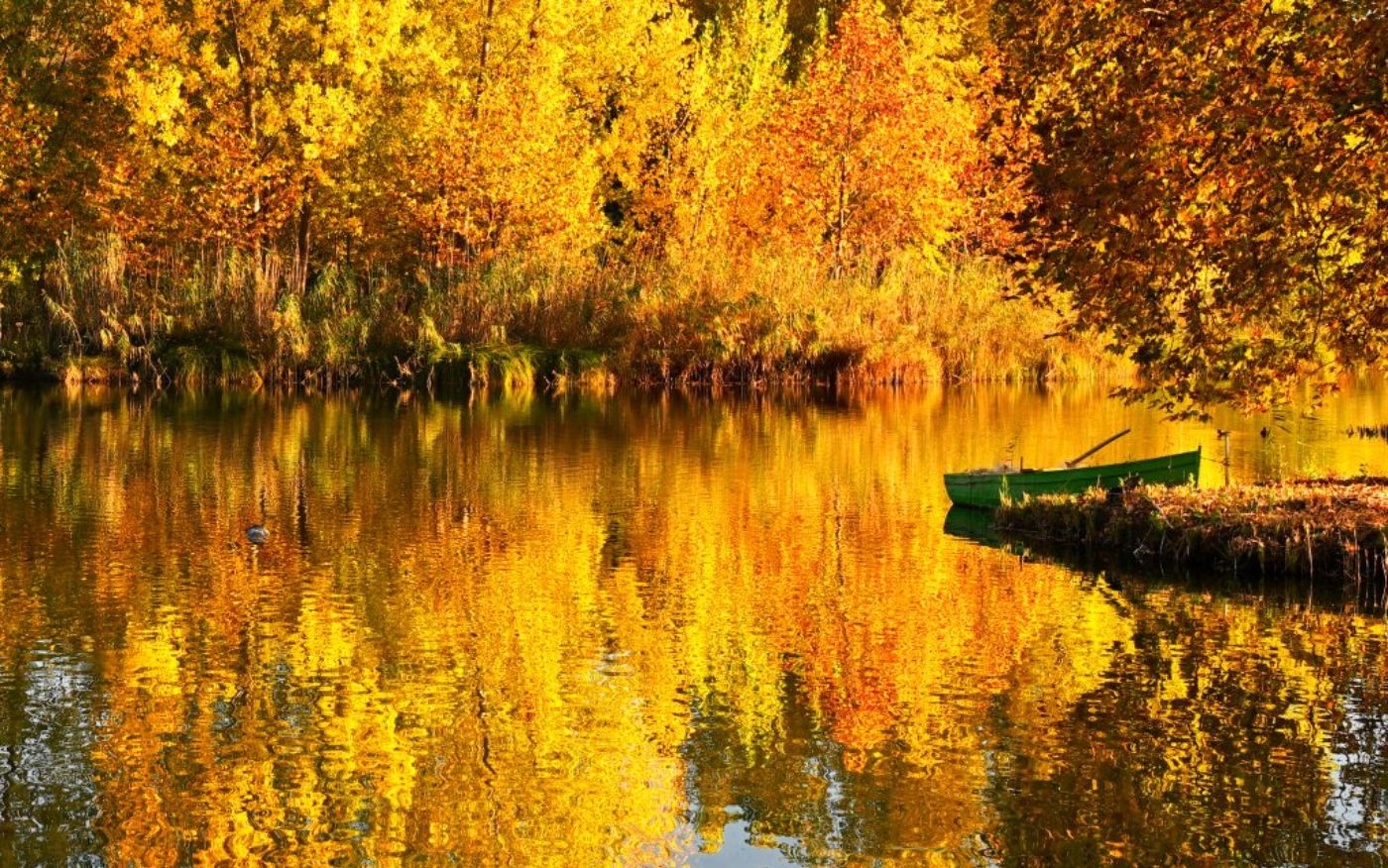
Just a few kilometres east of town, Drilon National Park is one of the most consistently recommended stops on the Albanian side of the lake, a roughly 370-acre park built around freshwater springs, canals, and small lakes shaded by willow trees dipping into crystal-clear water. Visitors can paddle out in rowboats or paddleboats, walk the network of woodland trails, birdwatch from elevated platforms (black swans are a highlight for many visitors), or simply sit at one of the park's restaurants with tables set directly over the water.
Immediately next door, the village of Tushemisht keeps a distinctly traditional atmosphere, stone houses, flowers hanging from balconies, small canals threading between buildings, and a scattering of guesthouses and restaurants serving lake fish and homemade pies. It's recognisable from classic Albanian films, and a walk along the paths behind the village reveals old watermills and streams still feeding directly into Lake Ohrid. Drilon and Tushemisht sit close enough together to comfortably cover in a single half-day trip from Pogradec.
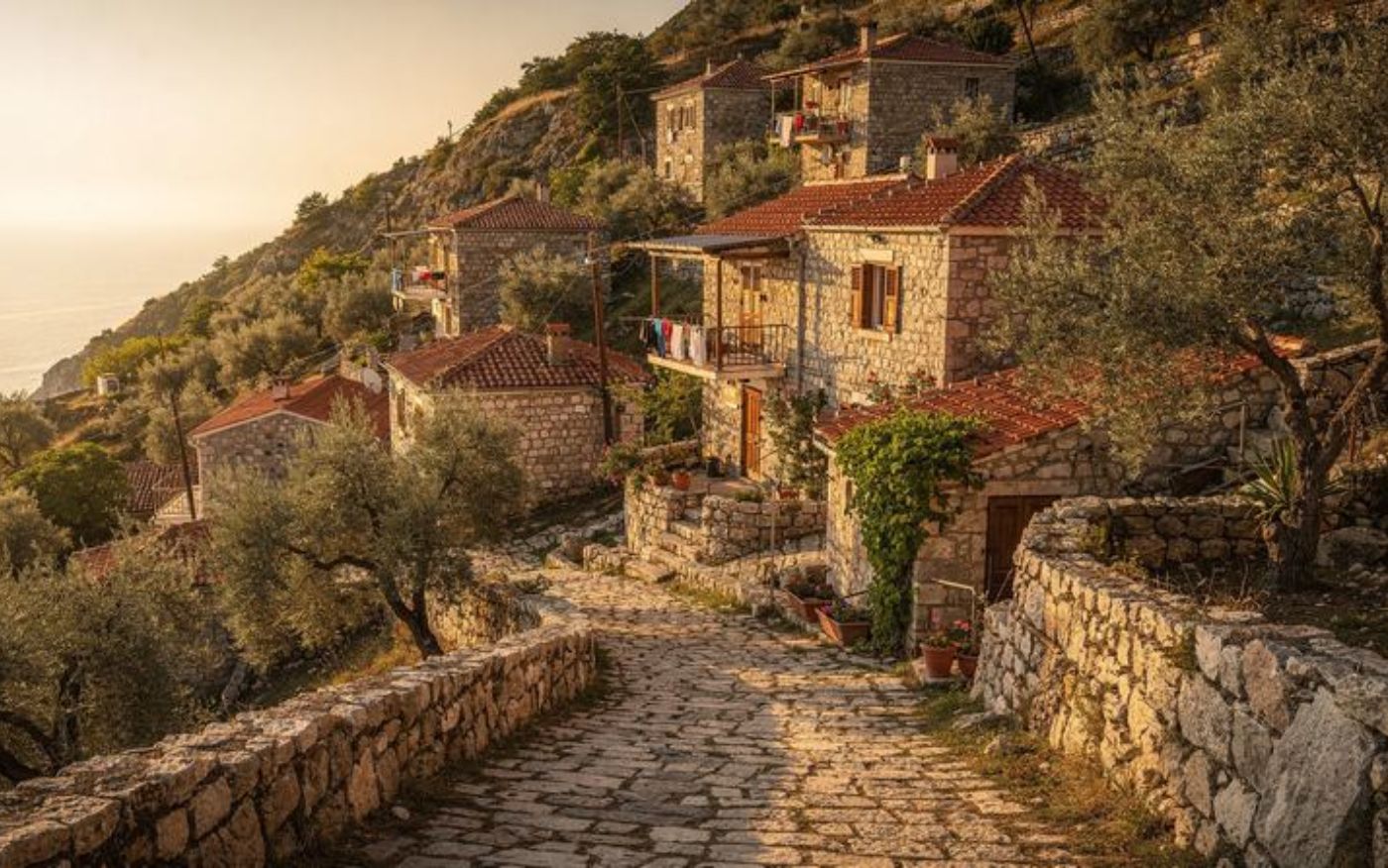
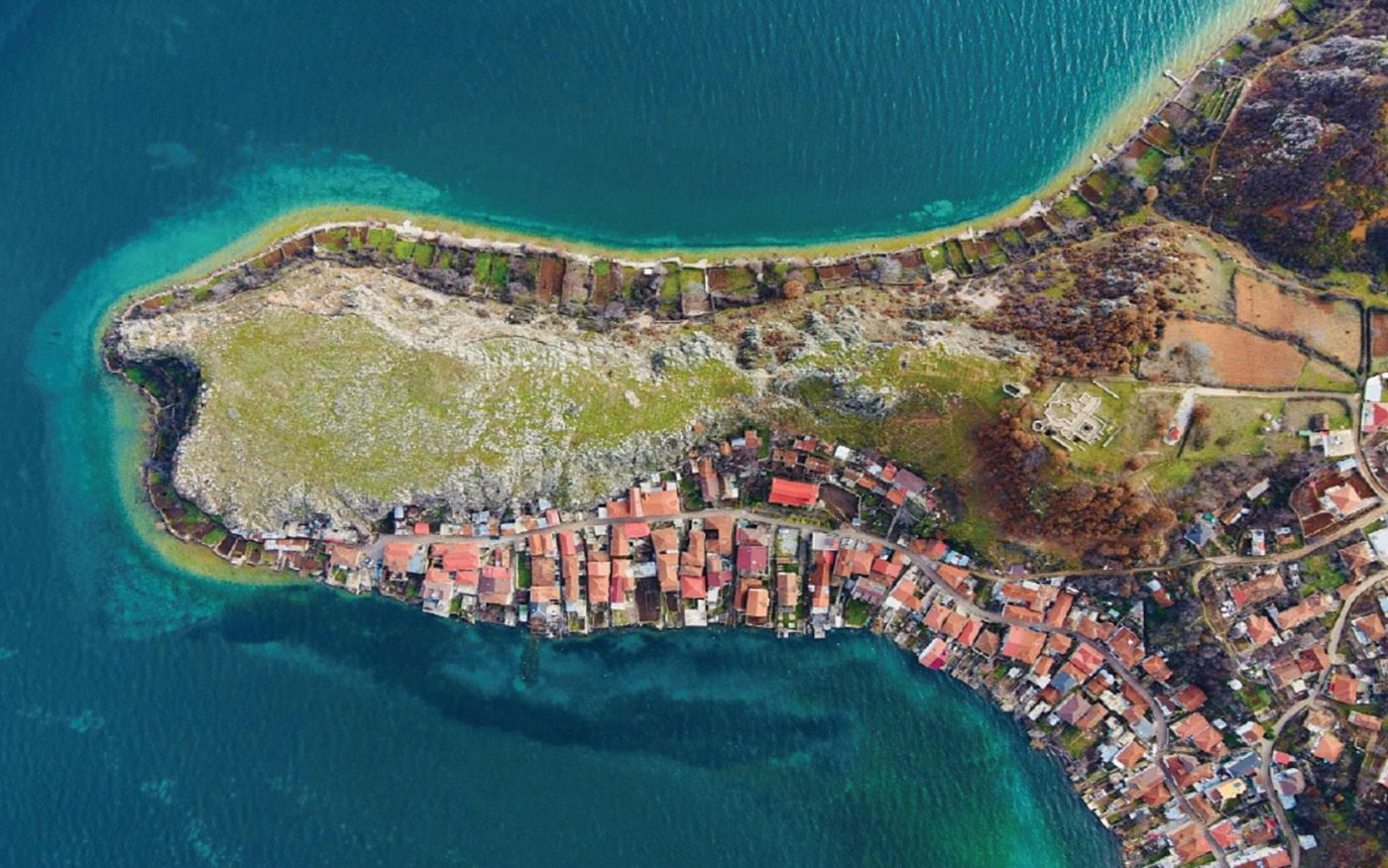
About 22 to 25 km north of Pogradec, on a narrow peninsula jutting into the lake, Lin is widely considered the prettiest village on the Albanian side of Lake Ohrid, and for many visitors, the highlight of the whole trip. Stone houses, small gardens, narrow cobbled lanes, fishing boats pulled up on the shore, and wide lake views give Lin a genuinely traditional character; life here moves noticeably slower than in Pogradec itself, and the absence of a long list of formal attractions is exactly what makes it so appealing.
Above the village, the ruins of a 6th-century Byzantine basilica hold mosaic floors that rank among the most significant Byzantine-era finds on this side of the lake, though they're generally kept covered in soil for protection and only occasionally uncovered for viewing. A path also leads uphill above the village past an old communist-era bunker to a series of viewpoints, from which you can see across the peninsula, the lake, the surrounding hills, and the distant shore of North Macedonia in a single sweep. Allow 20 minutes uphill for the climb.
For a shorter dose of history without leaving town, a 20-minute hike up the hill behind Pogradec leads to the ruins of Pogradec Castle, an ancient Illyrian settlement with views back over the town and lake. Further afield, the Royal Tombs of Selca e Poshtme, an Illyrian archaeological site, are another worthwhile stop for travellers with a car and a deeper interest in the region's ancient history, often combined with a visit to Lin on the same day trip.
For more ambitious hikers, the Mali i Thatë (Dry Mountain) trail is a serious full-day undertaking, roughly 13.6 km, climbing to around 2,288 metres, with panoramic views over both Lake Ohrid and Lake Prespa from the summit. It's typically done with a professional guide and requires good fitness and an early start, a genuinely rewarding option for travellers wanting to see both of Albania's great southeastern lakes from a single vantage point.
Regular boat tours depart from Pogradec's main waterfront and from Drilon Springs, ranging from short shoreline cruises to longer excursions around the Lin peninsula, with clear water and hidden coves best appreciated from the lake itself. One of the more memorable options is a trip to Maligrad Island, technically on the North Macedonian side of the border on Lake Prespa rather than Ohrid, home to a 14th-century church accessible only by water, a worthwhile add-on for travellers looking to combine both of the region's lakes in one trip.
The signature dish here is koran, an endemic trout species found only in Lake Ohrid, most often served baked, grilled, or as tavë korani, alongside dishes like krap me lakra (carp with cabbage). The best places to eat it are the wooden jetty restaurants along Pogradec's promenade or the waterside tables in Tushemisht and Drilon, where chefs prepare the fish simply, with local herbs, garlic, and olive oil, and portions tend to be generous with prices noticeably lower than on the North Macedonian side of the lake.
May–June: mild temperatures, green surroundings, and lake water beginning to warm, good conditions for hiking and cycling the flat lakeshore road toward Lin.
July–August: the warmest months and the height of swimming season, with water temperatures reaching 22 to 26°C, also the busiest period for Albanian domestic tourism.
September: still warm enough to swim comfortably, with noticeably thinner crowds than peak summer, arguably the best all-round month to visit.
October–April: quiet and cooler, with swimming off the table but the promenade, Drilon, and Lin still fully worth visiting for travellers who prefer the lake without the crowds.
From Tirana: about 140 km, roughly 2.5 to 3 hours by car or bus on a scenic mountain route.
From Korça: about 40 minutes to an hour by car, making Pogradec an easy pairing with Korça's Old Bazaar and beer culture on a wider southeastern Albania route.
From Tirana International Airport (TIA): roughly 3 hours by private transfer.
From Ohrid, North Macedonia: the two towns sit on opposite ends of the same lake; crossing between them requires a valid border crossing and takes roughly an hour or more by road around the shore.
Getting around: Pogradec itself is walkable, with the promenade and beach close to the centre. A rental car or private transfer is genuinely useful, and in most cases necessary, for reaching Lin, Drilon, Tushemisht, and the Royal Tombs of Selca, since public transport options to these smaller villages are limited.
The promenade area puts you within walking distance of the beach, restaurants, and the town's evening atmosphere, and suits most first-time visitors well. For a quieter, more traditional stay, Tushemisht offers village guesthouses close to Drilon National Park, while Lin has a small number of lakeside guesthouses offering homemade meals and private swimming access for travellers who want to base themselves in the most scenic village on the shore rather than the town itself.
How long do you need in Pogradec?
Two nights: enough to cover the lakeside promenade, Drilon National Park, Tushemisht, and a fish dinner, a solid, relaxed introduction to the Albanian shore.
Three nights: add a full day for Lin, a boat tour, and the sunset viewpoint above the village, plus a hike up to Pogradec Castle, the recommended pace for most visitors.
Four days or more: add the Mali i Thatë hike for panoramic views over both Lake Ohrid and Lake Prespa, or extend into a border crossing to explore Ohrid town on the North Macedonian side.
We build private and small-group Pogradec itineraries year-round, licensed local guides, lakeside hotel and guesthouse selection, boat tours around the Lin peninsula, and full day-trip routing to Drilon, Tushemisht, and Korça. [Browse our Albania tours] · [See Korça hotels] · [Request a custom itinerary]
Yes. Pogradec offers Albania's quieter, more authentic side of Lake Ohrid, one of the world's oldest and clearest lakes, with a rare sandy beach, a scenic lakeside promenade, the picturesque village of Lin, and consistently excellent lake-trout dining, all without the crowds found on the North Macedonian side.
Pogradec is known for its position on the Albanian shore of UNESCO-listed Lake Ohrid, Drilon National Park's freshwater springs and canals, the fishing village of Lin with its Byzantine basilica ruins, and koran, an endemic trout species found only in this lake.
About 140 km, roughly 2.5 to 3 hours by car or bus.
Yes. Pogradec has a rare sandy beach, and swimming is popular from June through September, with water temperatures reaching 22 to 26°C in the height of summer around Pogradec, Buçimas, Tushemisht, and Lin.
It helps significantly. Pogradec itself is walkable, but reaching Lin, Drilon, Tushemisht, and the Royal Tombs of Selca is much easier with a rental car or private transfer, since public transport to these smaller villages is limited.
June to September for swimming and warm lake weather, with September offering the best balance of warm water and thinner crowds. Spring and early autumn are pleasant for hiking and cycling without the heat.
Yes. Pogradec and Ohrid town sit on opposite shores of the same lake, and crossing between them requires a valid border crossing, taking roughly an hour or more by road around the shoreline.
Yes. Pogradec is a calm, family-friendly lakeside town with low crime rates. The main practical considerations are normal water safety when swimming and sticking to marked trails on longer hikes like Mali i Thatë.
