

Korça (also spelled Korçë or Korce) is a highland city in southeastern Albania, sitting at 869 metres on a broad plateau ringed by mountains, about 180 km southeast of Tirana and roughly 3 hours by road. It is Albania's most intellectually distinguished city, home to the country's first Albanian-language school, the finest icon collection in the Balkans, a beautifully restored Ottoman-era bazaar, and Albania's oldest and most beloved brewery. Most travellers spend one to two nights, walking the Old Bazaar, visiting the Resurrection Cathedral and the National Museum of Medieval Art, touring the Korça Beer Factory, and day-tripping to the mountain village of Voskopoja. Best months: May to September, with a cooler, greener climate than most of Albania thanks to its altitude.
Korça surprises most visitors who arrive expecting a provincial eastern Albanian town. Instead, they find a city with a genuine intellectual pedigree, French, Central European, Greek, and Ottoman cultures all left their mark here over the centuries, producing an elegant, unusually cosmopolitan character that shows up in the architecture along Boulevard Republika and in the city's enduring café and coffee-roasting culture. Korça played a pivotal role in the Albanian National Awakening and is home to the country's first Albanian-language school, a fact locals bring up with real pride.
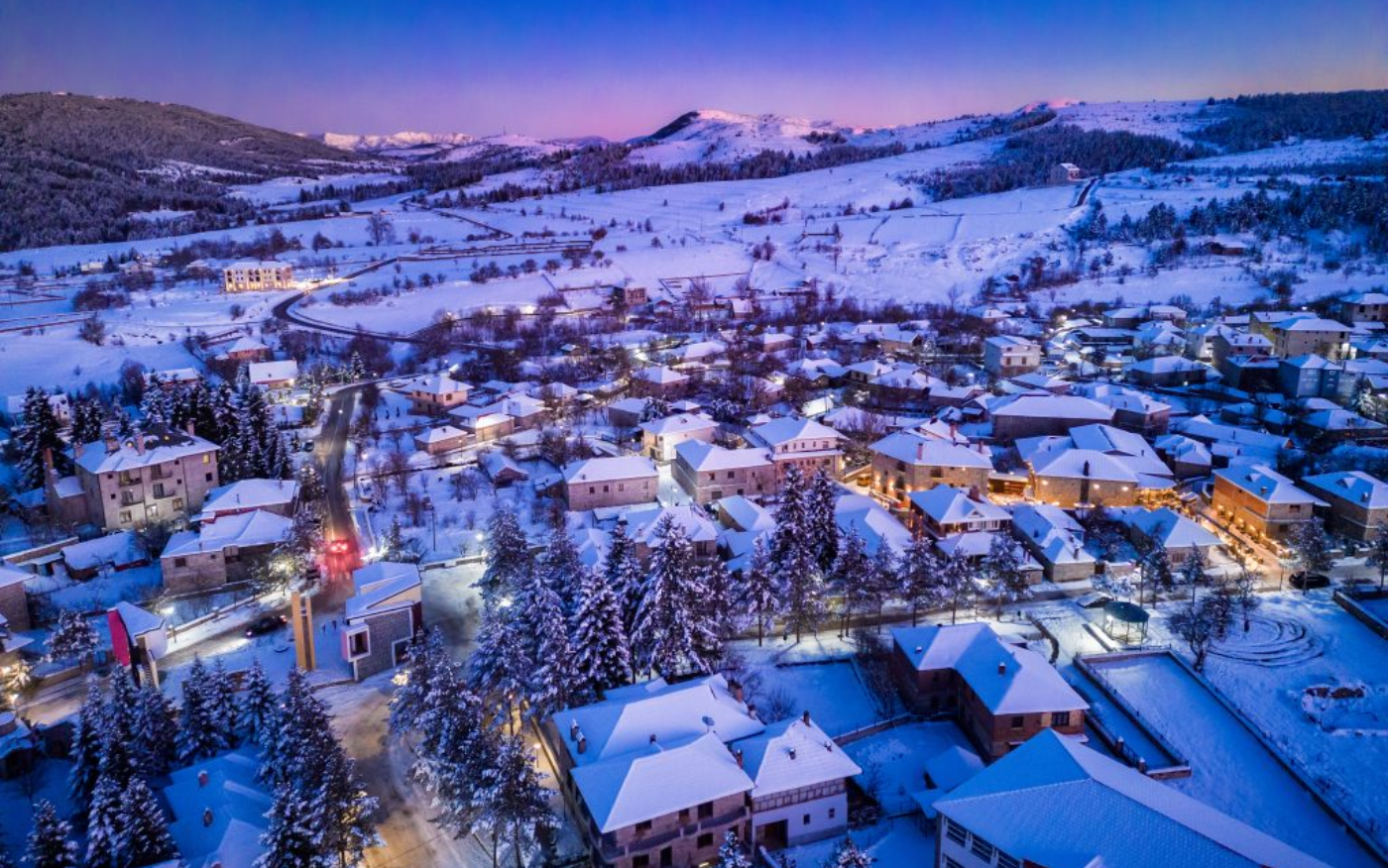
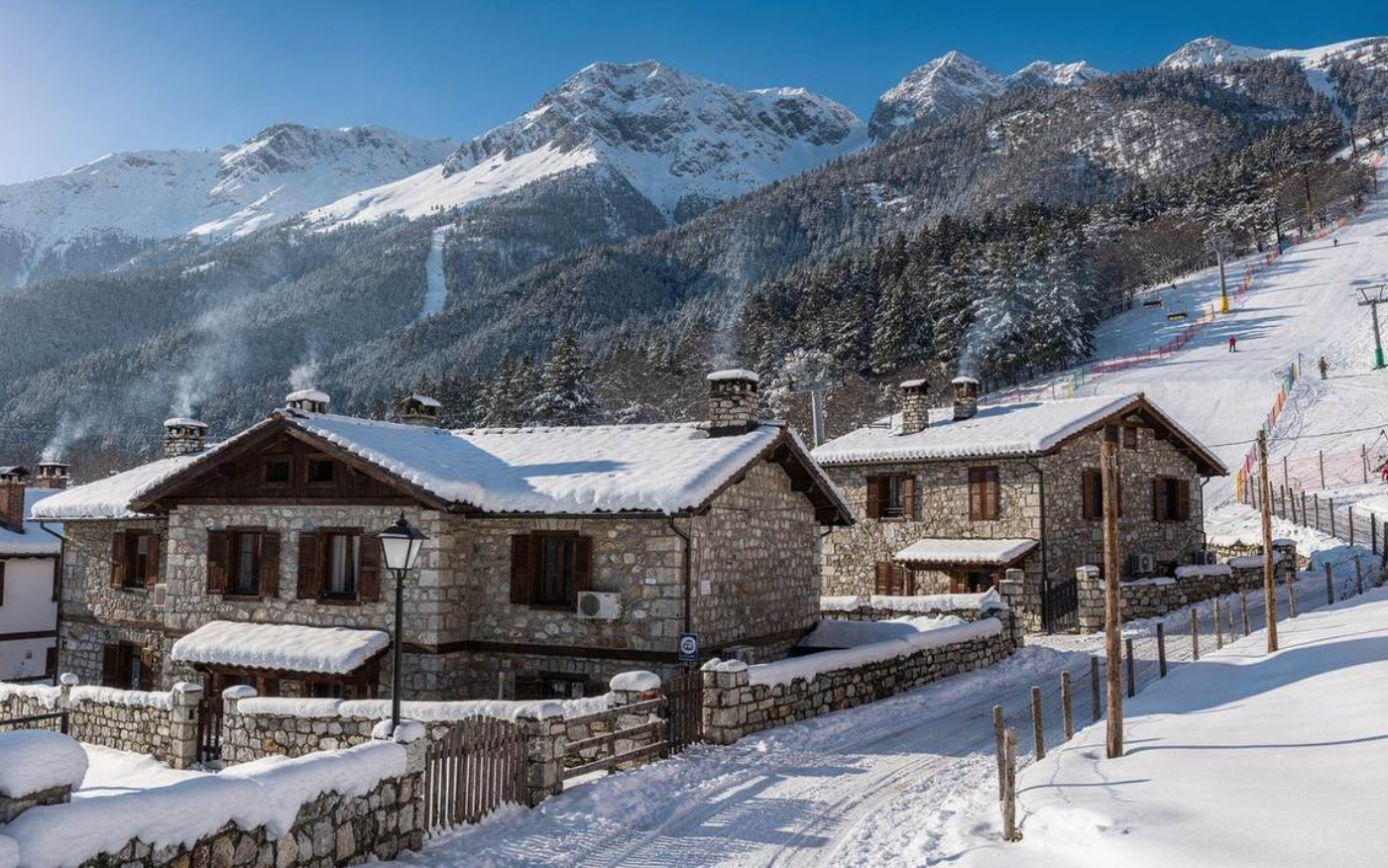
The altitude does the rest. Sitting on a plateau at 869 metres, ringed by mountains, Korça has a highland climate that gives it a cooler, greener, more measured pace than anywhere else in Albania, snow-capped peaks in winter, mild summers, and an atmosphere that feels distinctly its own. For travellers building a well-rounded Albania itinerary, Korça is often the natural final or opening stop, the furthest major city from the capital, and a genuinely rewarding base for day trips to Voskopoja, Dardha, and the Albanian shore of Lake Ohrid or Prespa.
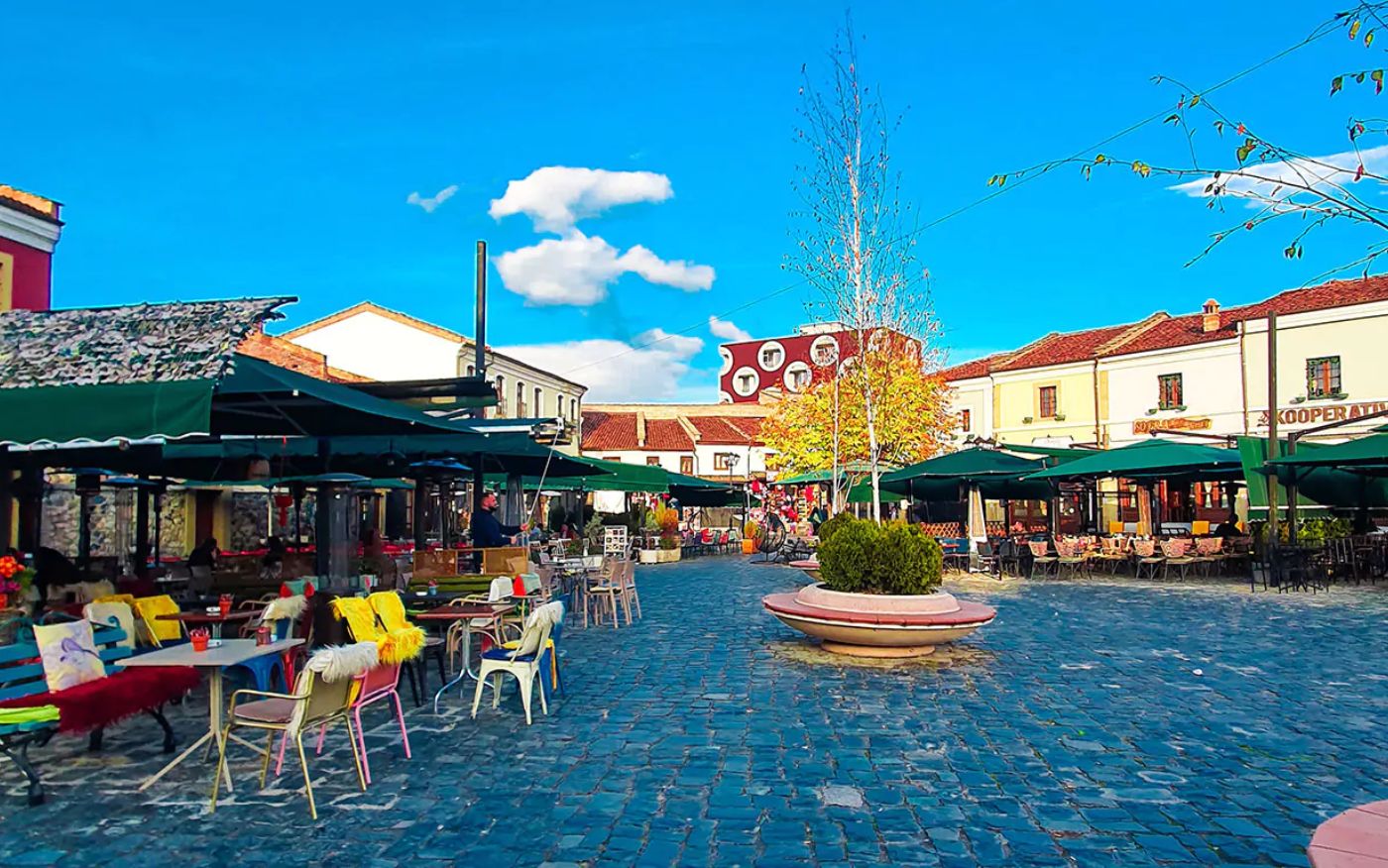
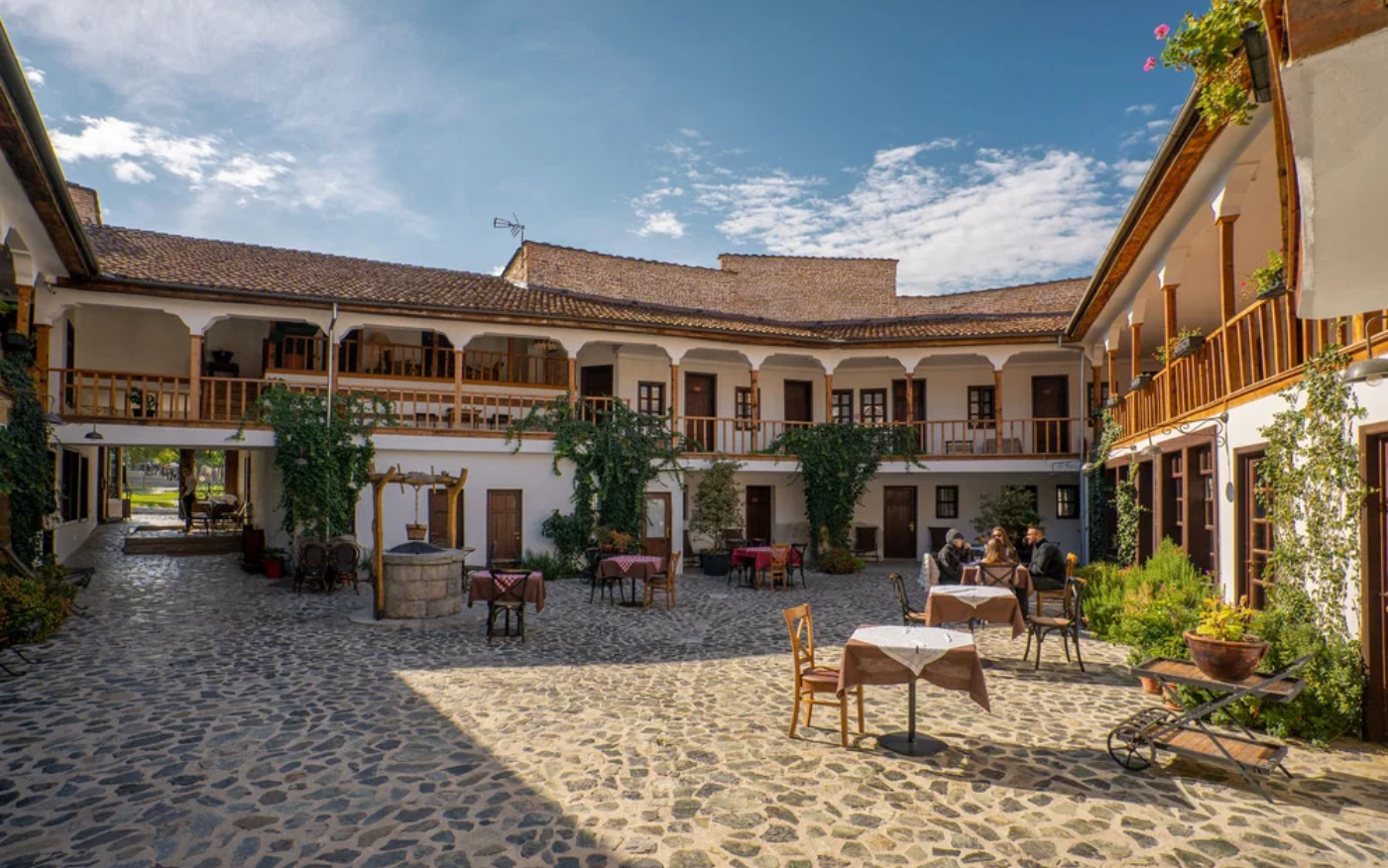
Korça's Old Bazaar was, in the 19th and 20th centuries, the biggest marketplace in the country, accommodating more than 1,000 stores and two well-known inns, the Old Elbasan and the Old Monastery. Recently and carefully restored, it remains the heart of the city today, a warren of cobbled lanes filled with traditional shops, taverns, cafés, and coffee roasteries producing some of Albania's best blends.
Standing at the edge of the bazaar is the Iljaz Bej Mirahori Mosque, built in the 15th century and one of the oldest surviving mosques in Albania, a quiet counterpoint to the bazaar's commercial bustle. Plan on at least an hour for a proper walk through the bazaar, longer if you're shopping seriously for textiles or handcrafts, since the best pieces take some searching out. In the evening, the bazaar's taverns fill with locals over grilled meats, local cheeses, and pitchers of house wine, arguably the most atmospheric place in the city for dinner.
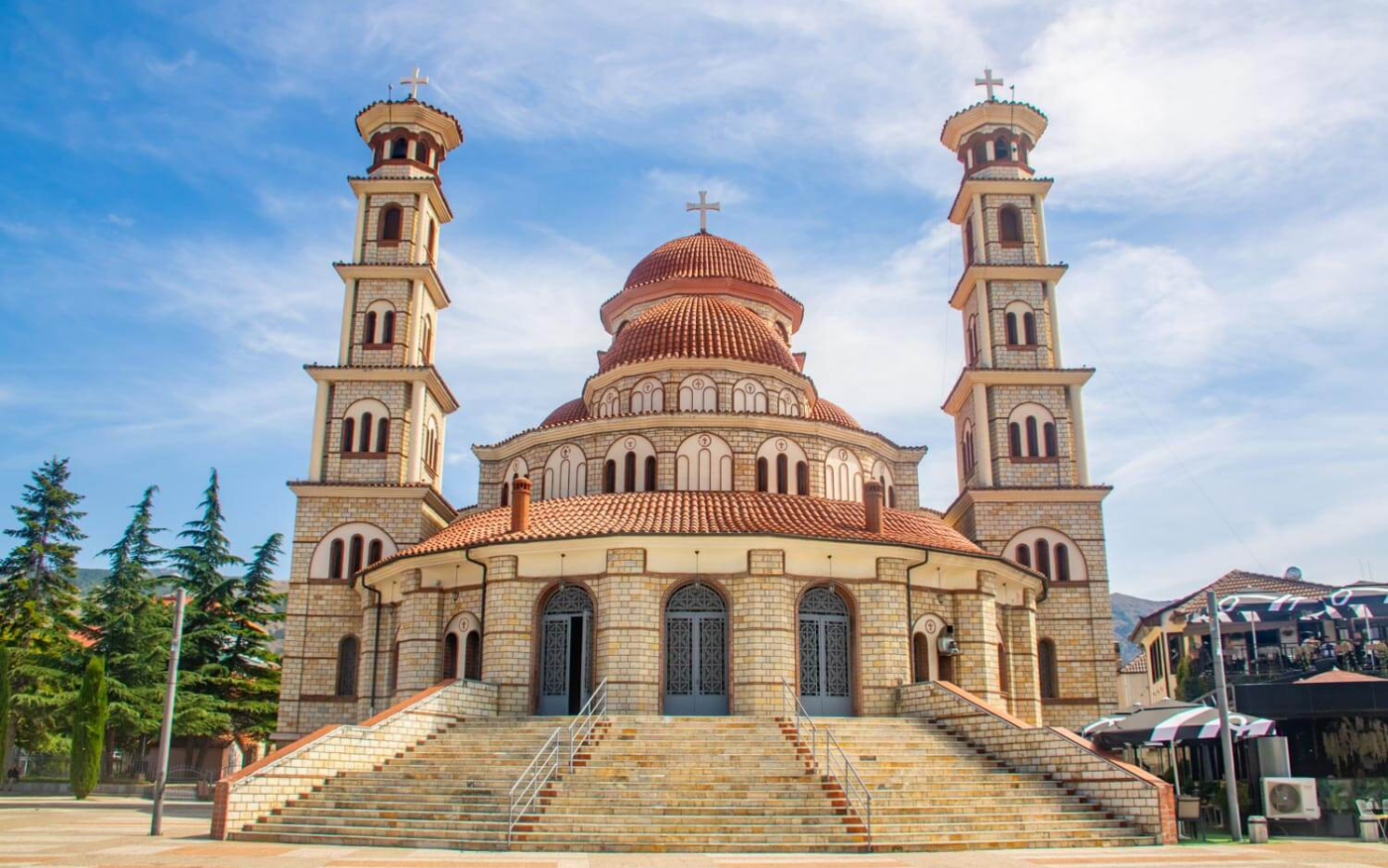
The Cathedral of the Resurrection of Christ dominates central Korça, a large neo-Byzantine structure and the largest Orthodox church in Albania. It was demolished under the communist regime and rebuilt after 1991, with Greece, Romania, and other international partners contributing to its reconstruction, designed by Greek architect Dimitrios Christidis in a style that echoes classic Orthodox church architecture.
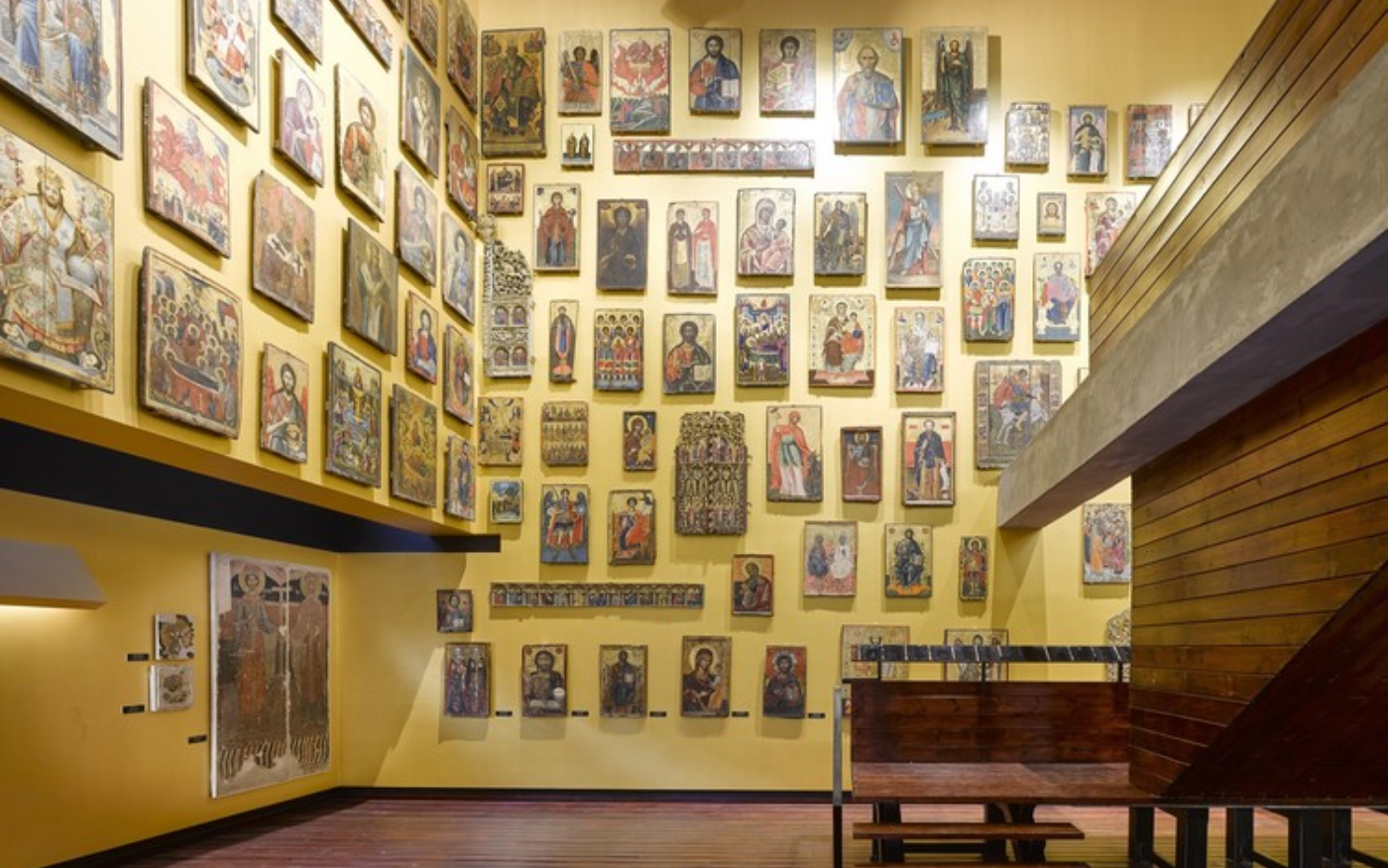
Just as essential, and often overlooked by visitors on a tight schedule, is the National Museum of Medieval Art, home to the finest collection of Orthodox icons in Albania. The museum's icons, many dating back centuries, represent a body of Byzantine-era religious art of genuine international significance, and pairing a visit here with the cathedral gives real depth to Korça's Orthodox Christian heritage.
Practical note: Korça is home to five museums in total, including surprisingly modern photography and Asian art exhibitions alongside its historical collections, a reflection of just how culturally significant this city has long considered itself.
If Korça has a single symbol beyond its churches and bazaar, it's Birra Korça. Founded in 1928, the Korça Beer Factory is Albania's oldest brewery and a genuine source of civic pride, producing a crisp golden lager using local mountain water and barley. A guided tour walks visitors through the full brewing process, from fermentation tanks to bottling, usually finishing with a tasting, and the brewery's beer garden just north of the city centre is a popular spot for an evening drink alongside classic Balkan dishes.
Time your visit right and you might catch the Korça Beer Festival, held each August in the city centre, one of the most popular annual events in eastern Albania and a lively snapshot of local culture in full swing.
A stroll along Boulevard Shën Gjergji, Korça's main pedestrian boulevard, is essential to understanding the city's rhythm, shops, restaurants, museums, and grand early-20th-century villas line the route, many now converted into boutique hotels and restaurants. This is where Korça's famous serenades tradition lives on, lyrical songs of love and longing performed with guitars and mandolins, still occasionally heard drifting from a café terrace in the evening. The boulevard sits directly opposite the Resurrection Cathedral, making the two an easy, natural pairing on a walking tour of the centre.
Korça's setting makes it an excellent base for exploring the surrounding highlands and lakes.
Voskopoja, a mountain village about 20 km west of Korça, was once one of the great cultural centres of the Balkans, flourishing in the 18th century as a hub of learning, printing, and art, home at its height to 24 ornate churches, several of which survive today with remarkable Byzantine-era frescoes. Locals often explain that Korça rose to prominence precisely after Voskopoja's decline, making the day trip a natural extension of the city's own story.
Dardha, a quiet mountain village known for hiking, traditional architecture, and cooler summer air, a favourite for travellers who want a slower, more rural half-day.
Lake Ohrid and Lake Prespa, both reachable from Korça and offering access to Albania's share of two of the region's most significant lakes, with Lake Ohrid also crossing into North Macedonia.
North Macedonia and Greece are both close by, the Greek border sits just 35 km east of Korça, and many travellers use the city as a natural crossing point when routing onward to either country.
Korça's signature dish is lakror, a thin, hand-stretched pie similar to byrek but traditionally baked under a saç, a domed iron lid covered in embers, usually filled with spinach, leeks, or meat, and a point of real local pride. Start the day with petulla, a simple fried dough popular for breakfast, and don't leave without trying Birra Korça, ideally cold, in the Old Bazaar's beer gardens alongside olives and fresh bread. Boulevard Republika is also home to Korça's best modern restaurants and coffee spots, set inside restored early-20th-century villas.
May–June: mild highland weather, green surroundings, and comfortable conditions for exploring both the city and Voskopoja on foot.
July–August: warm days and cooler evenings than lowland Albania, thanks to the altitude, plus the Korça Beer Festival in mid-August, one of the best times to experience the city's community spirit.
September: still pleasant, with the summer crowds thinning and the mountain light especially good for photography around the bazaar and cathedral.
October–April: cold, and often genuinely snowy given the plateau's elevation, atmospheric for travellers who enjoy a quieter, wintry version of the city, but pack accordingly.
From Tirana: about 180 km, roughly 3 hours by car or bus via a scenic mountain route. Regular buses run from Tirana daily, and a private transfer is the more comfortable option for a direct, unhurried journey.
From Tirana International Airport (TIA): roughly 3 to 3.5 hours by private transfer.
From Pogradec (Lake Ohrid): about an hour, making Korça and the Albanian shore of Lake Ohrid an easy combination.
From the Greek border: about 35 km, a short crossing point for travellers routing onward to Greece or arriving from that direction.
Getting around town: on foot. Korça is a relatively small, compact, and very walkable city; regional minibuses (furgons) run several times daily to Voskopoja, Dardha, Bilisht, and other nearby towns for day trips.
The area around the Old Bazaar and Boulevard Republika is the best base, walking distance from the cathedral, the museums, and the city's best restaurants and cafés. A number of new hotels have opened in recent years in classic Korça-style buildings from the 1920s, offering a more polished stay than the city's compact size might suggest. Airbnbs set in stone-and-timber local houses, often decorated with antiques and traditional Albanian carpets, are another characterful option within walking distance of the centre.
One day: the Old Bazaar, Resurrection Cathedral, and Mirahori Mosque, plus a beer at the Korça brewery. A solid, if brisk, introduction to the city.
Two days: add the National Museum of Medieval Art, a proper walk down Boulevard Republika, and time to browse the bazaar's shops and roasteries at a slower pace.
Three to four days: add a full day trip to Voskopoja and Dardha, and enough unhurried time to properly settle into Korça's café culture, which is, for many visitors, the real reason to linger.
We build private and small-group Korça itineraries year-round, licensed local guides, hotel selection around the Old Bazaar and Boulevard Republika, brewery tours, and day trips to Voskopoja, Dardha, and Lake Ohrid. [Browse our Albania tours] · [See Korça hotels] · [Request a custom itinerary]
Yes. Korça combines a beautifully restored Ottoman-era bazaar, the finest icon collection in Albania, the country's oldest and most iconic brewery, and an unusually cosmopolitan cultural history, all set in a cooler, greener highland city that feels distinct from anywhere else in the country.
Korça is known as the birthplace of Albania's first Albanian-language school, for its restored Old Bazaar, the Resurrection of Christ Cathedral, the National Museum of Medieval Art's Byzantine icon collection, and Birra Korça, Albania's oldest brewery, founded in 1928.
About 180 km, roughly 3 hours by car, bus, or private transfer.
It's possible but not ideal given the distance and the driving time involved. Most travellers spend at least one night to properly see the bazaar, cathedral, and museums without rushing, and to allow time for a day trip to Voskopoja.
The Old Bazaar itself is a free, open pedestrian district; individual shops, cafés, and the National Museum of Medieval Art charge separate, modest entry fees. The Resurrection Cathedral is generally free to enter as an active place of worship.
May to September, for the most comfortable highland weather; mid-August adds the Korça Beer Festival, one of the city's liveliest annual events.
Voskopoja, a once-great Balkan cultural centre with historic Byzantine-frescoed churches, is the most popular, followed by the mountain village of Dardha and the Albanian shores of Lake Ohrid and Lake Prespa.
Yes. Korça is considered one of the safest cities in Albania for tourists, with a compact, walkable centre that feels comfortable even in the evening around the Old Bazaar and the main pedestrian boulevard.
