

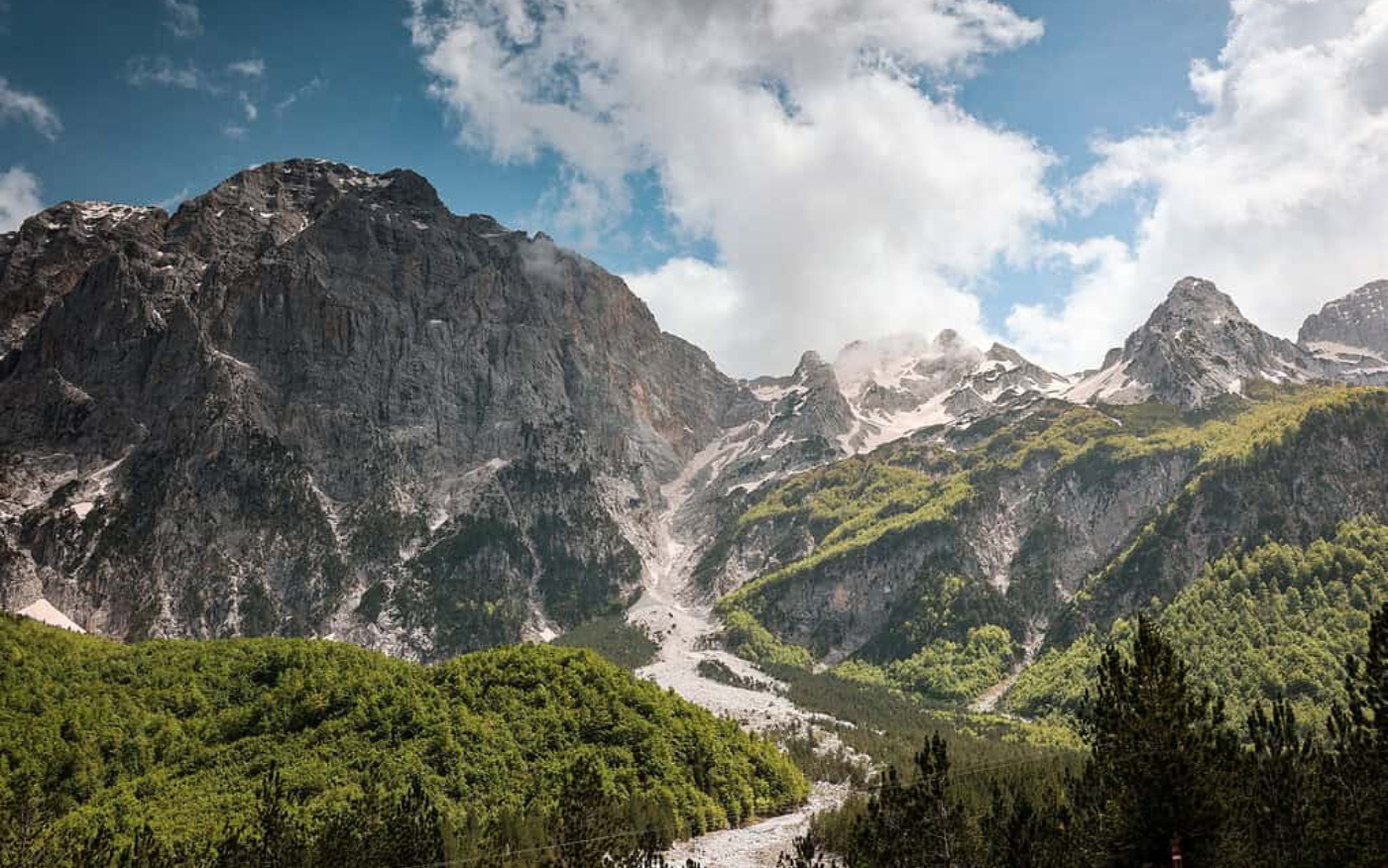
Valbona is a remote mountain valley in the Albanian Alps, protected as Valbona Valley National Park, set in the Tropoja district of northern Albania near the borders of Kosovo and Montenegro. Established in 1996 and spanning around 80 square kilometres, the park sits at roughly 900 metres above sea level, ringed by peaks rising above 2,000 metres, including Maja Jezercë, the highest point in the Albanian Alps. It is best known as one end of the legendary Valbona-Theth hiking trail and as the far side of the spectacular Komani Lake ferry crossing. Most travellers spend one to two nights here, hiking to Valbona Waterfall or the village of Rragam, before crossing the mountain pass on foot to Theth. Best months: May to October, when trails are dry and guesthouses are open.
Why Valbona belongs on your Albania itinerary
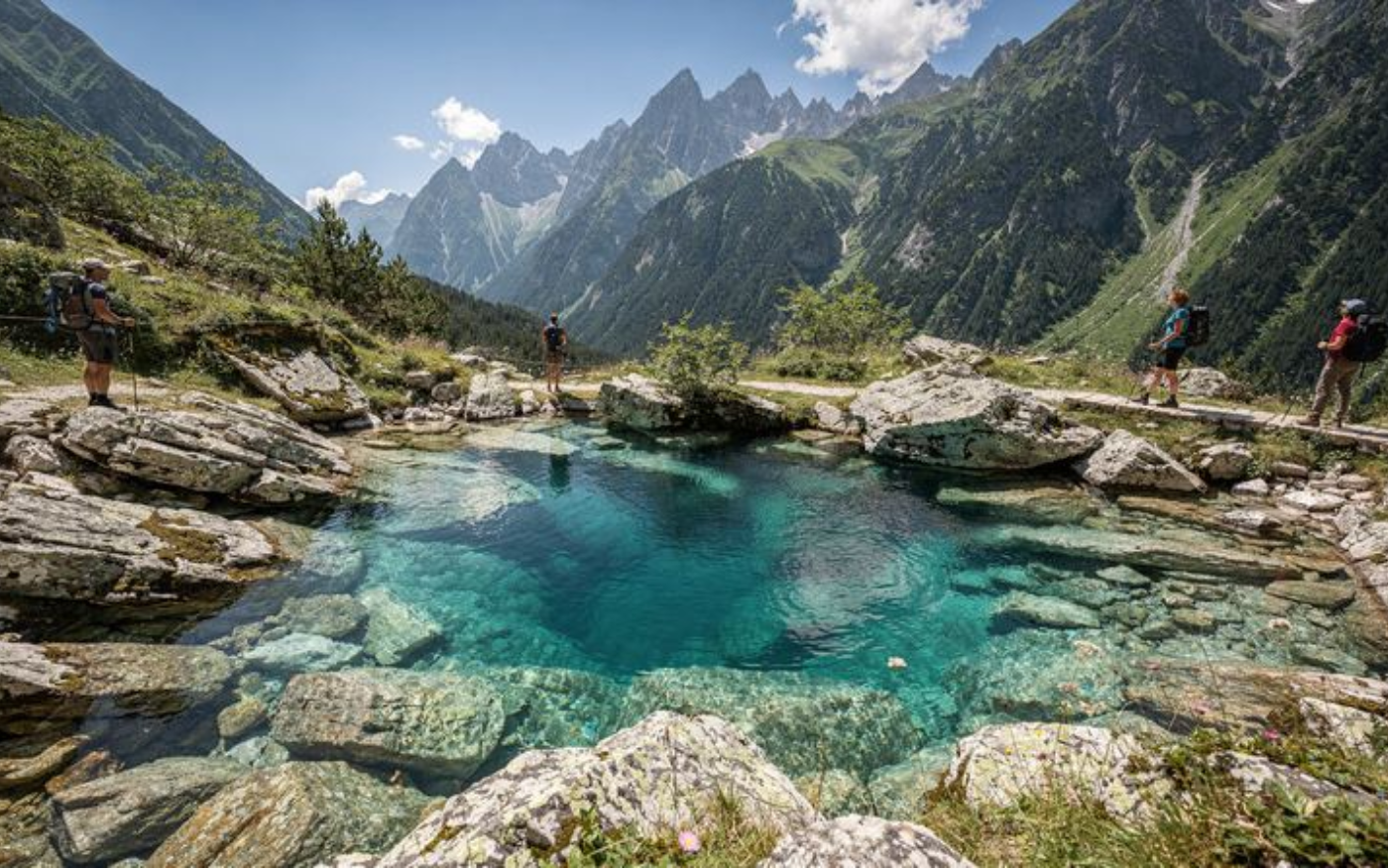
Forbes has named Valbona Valley National Park one of the most beautiful places in the Western Balkans, and it's easy to see why the moment the road opens up into the valley: turquoise river water threading through wide gravel flats, beech forest climbing the lower slopes, and sheer limestone peaks closing in on every side. This is genuinely wild terrain, home to brown bears, wolves, chamois, golden eagles, and, if you're extremely lucky, the rare Balkan lynx, protected within the same Accursed Mountains range that stretches into Kosovo and Montenegro.
What sets Valbona apart from its better-known neighbour Theth is remoteness and scale. The valley is quieter, the peaks around it more dramatic, and the sense of having genuinely left the modern world behind is stronger here, wooden houses, grazing sheep, and mountain traditions that feel largely unchanged by the tourism growth seen elsewhere in Albania. For travellers building an Albanian Alps itinerary, Valbona is usually paired with Theth as the two halves of the same classic crossing, and it also serves as a natural gateway point for the multi-day Peaks of the Balkans trail, which continues on from here into Kosovo and Montenegro.
Part of what makes a trip to Valbona memorable happens before you even arrive, deciding how to get there is a genuine highlight in its own right.
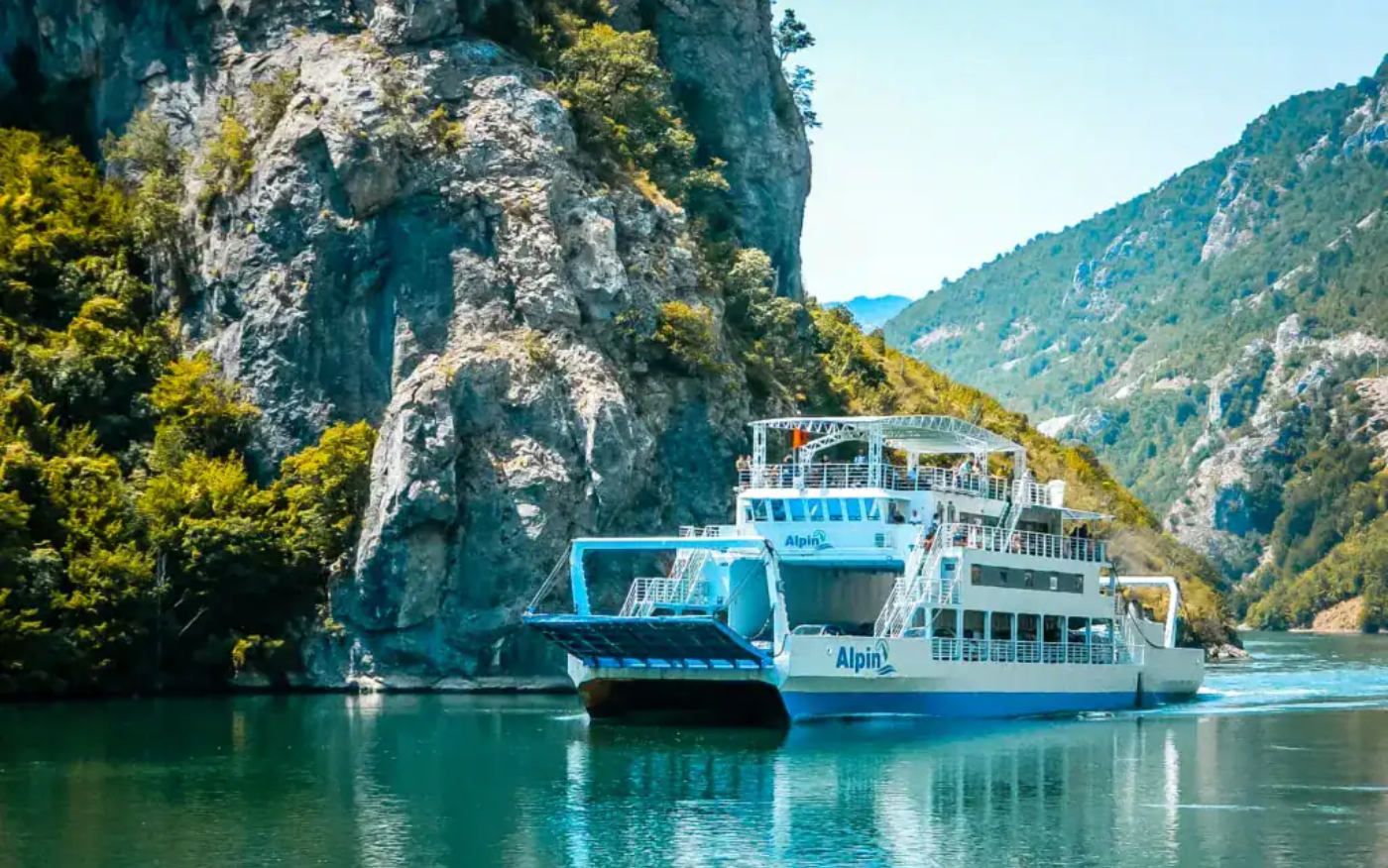
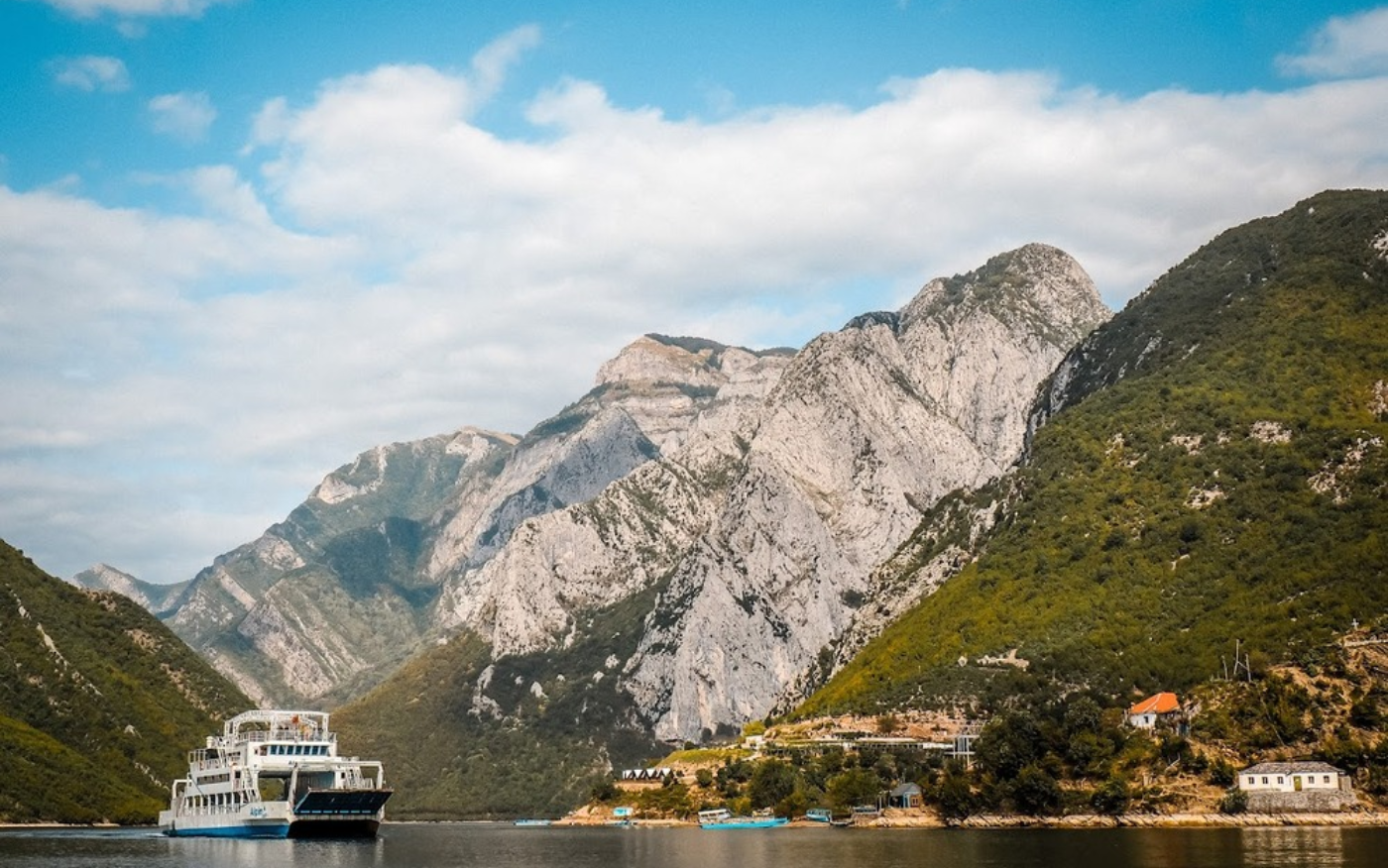
The Komani Lake ferry route is the classic and most scenic approach: drive or bus to Shkodra, then on to the small port of Koman, where a boat crosses the fjord-like Komani Lake to Fierza in roughly 2.5 to 3 hours, through narrow gorges and steep mountain cliffs often compared to the Norwegian fjords. From Fierza, it's a further 30 to 45 minutes by taxi or minibus into the valley. Many travellers rank the ferry itself among their most memorable experiences in the entire country, not merely as transport but as a destination in its own right.
The overland road route runs the whole way from Tirana via Kukës and Bajram Curri, now fully paved and taking around 4 to 5 hours. This is the practical choice for travellers with a rental car who want to keep the vehicle with them in the valley, or for those arriving from Kosovo via the Qafë Morinë border crossing, roughly 2.5 hours from Pristina.
Either way, give the journey a full day. Everything in the valley itself runs on cash only, so withdraw what you need in Shkodra or Tirana before setting out, and pack a rain jacket regardless of season, mountain weather here can shift quickly.
Rragam (also spelled Rrogam) is the last village in the Valbona Valley reachable by vehicle, and only just, via a rough track running through the dry riverbed of the Valbona River for much of the year. Locals here have converted several traditional stone houses into guesthouses, and the village makes an excellent, quieter base than central Valbona for travellers who want to start their hikes directly from the trailhead.
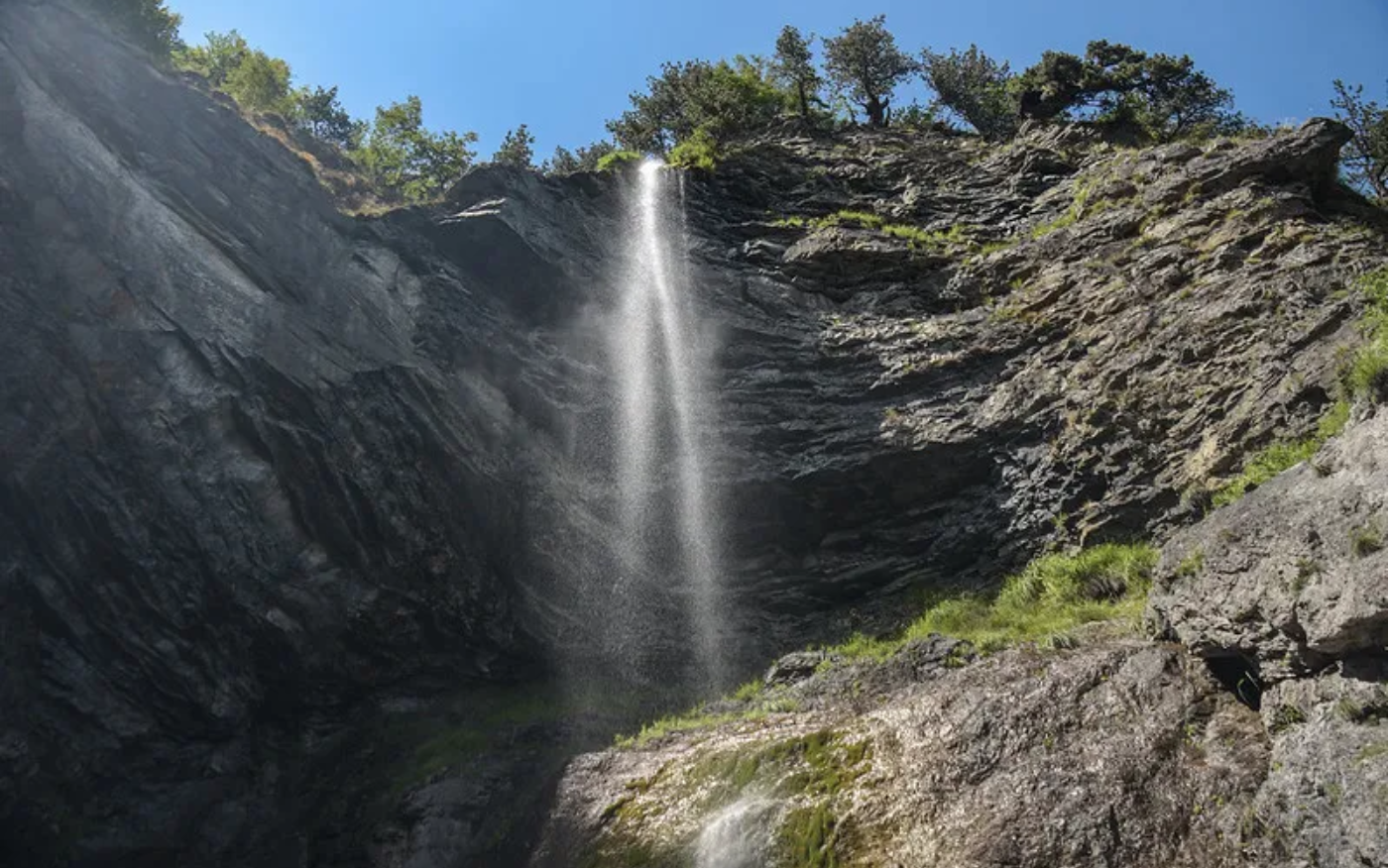
A short walk outside Rragam brings you to Valbona Waterfall (Ujëvara e Valbonës, also called Ujëvara e Rragamit), a genuinely worthwhile short excursion and one of the easiest scenic payoffs in the entire valley for the amount of effort required.
Beyond the main valley floor, a couple of side trips reward travellers with more time.
Çerem, reached via a path running up the western bank of the River of Çeremi, is one of the most picturesque villages in the wider park, quieter still than Rragam and a favourite starting point for routes deeper into the mountains toward Dobërdol.
The Dragobi Cave (Shpella e Dragobisë), on the southern side of the valley, carries real symbolic weight for Albanians: it's where Bajram Curri, the commander of the Albanian army after World War I and the town's namesake, hid in 1925 while being pursued by forces loyal to King Zog I, before taking his own life rather than being captured. A visit here adds a layer of modern Albanian history to what is otherwise a purely natural landscape.
Travellers who prefer gentler walking can also spend a day rambling along the southern banks of the Valbona River from Quku i Valbonës back toward Bajram Curri and Dragobi, passing an abandoned farmstead at Mas Kollatë and, in July, fields of wild strawberries along the way.
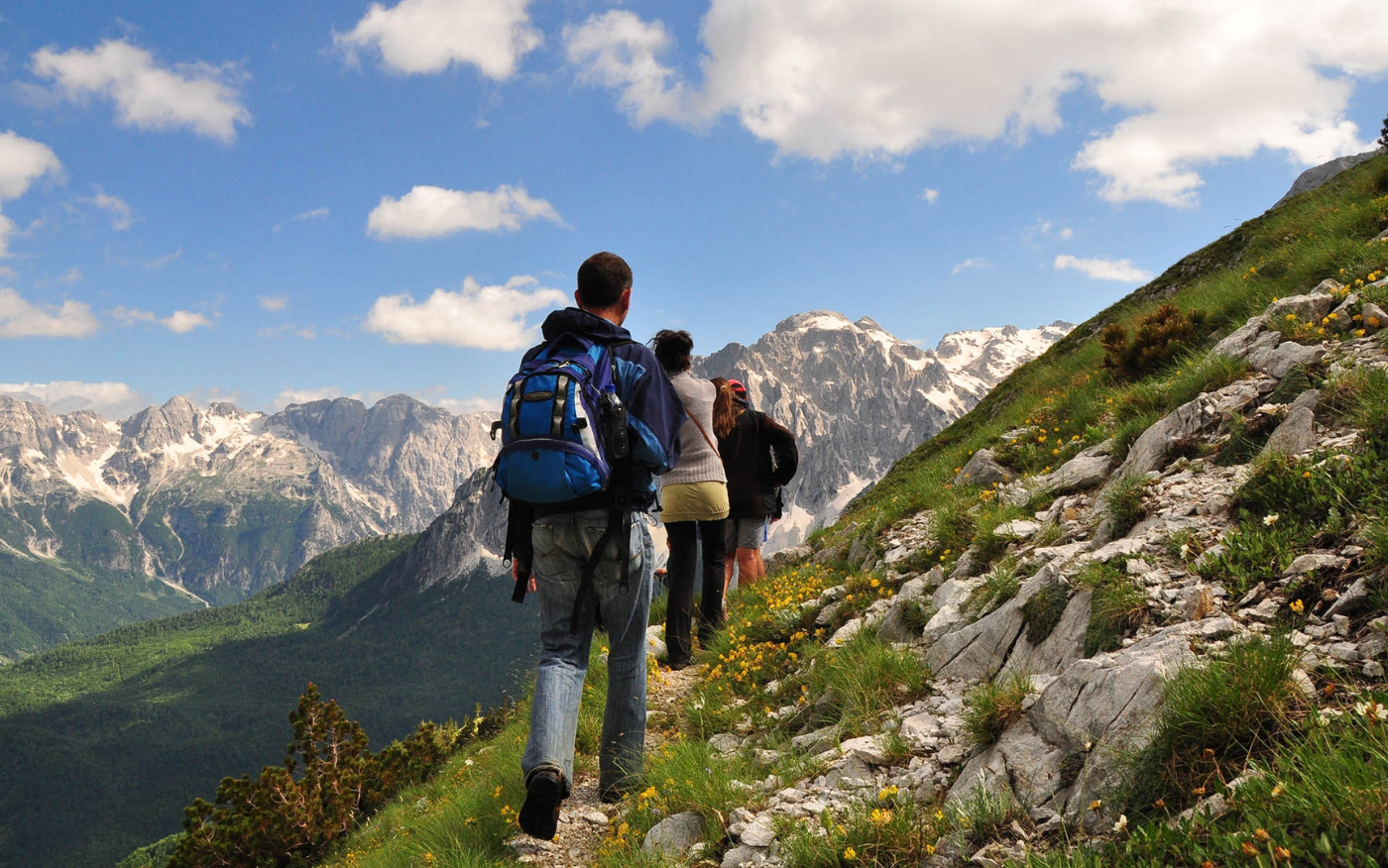
The single most famous route in the valley, and arguably in the Albanian Alps altogether, is the hike over to Theth, roughly 14 to 17 km depending on the exact path taken, with 800 to 900 metres of elevation gain, typically taking 7 to 9 hours. The trail is moderate to strenuous but requires no technical climbing, following a well-established route to a pass at around 1,800 metres before descending into the neighbouring Theth valley.
Most guides recommend starting from Valbona rather than Theth if you can only do the crossing in one direction, since Theth holds slightly more to see and do on the far side once you arrive. Parking for those driving is available near the start of the trail at Rragam, and it's entirely possible to do the hike independently with a good map, though many travellers arrange a local guide and luggage transfer between guesthouses for a more relaxed pace. For hikers with more time and ambition, this crossing is also the classic first stage of the longer Peaks of the Balkans trail, which continues on through Çerem and Dobërdol into Kosovo and Montenegro.
The wider Tropoja district, including Bajram Curri, has an undeserved reputation in some older travel guides as a lawless region. In practice, the law-and-order situation has improved substantially in recent years, and the overwhelming experience travellers report is one of friendly, generous mountain hospitality. That said, some governments, including the UK, Australia, and Canada, have maintained general travel advisories for this northeastern region, and unexploded ordnance from the Kosovo conflict remains a genuine consideration if you wander off marked trails, so it's best to stick to established paths. Given the remoteness of the terrain, travel insurance that explicitly covers mountain rescue and helicopter evacuation is strongly recommended for anyone hiking here.
Dining in the valley happens almost entirely through family-run guesthouses, most offering half-board with home-cooked meals: fresh bread, local cheese, seasonal vegetables, and simple, hearty mountain fare shared around a communal table. A small restaurant and campsite in central Valbona also offers meals and basic amenities for travellers passing through or camping nearby. As with everything else here, come with cash, cards are rarely accepted anywhere in the valley.
May–June: the season's opening stretch, with snowmelt swelling the river and waterfall, lush green slopes, and guesthouses reopening after winter.
July–August: the warmest, driest, and most reliable window for the Valbona-Theth crossing and for reaching more remote villages like Çerem, though also the busiest period on the main trail.
September–October: clear air, comfortable hiking temperatures, and noticeably thinner crowds, a strong choice for travellers who prefer the valley at its quietest.
November–April: snow closes most high trails and many guesthouses shut for the season; Valbona is not a realistic destination for most travellers outside the May-to-October window.
Via the Komani Lake ferry: from Shkodra, drive around an hour to the port of Koman, then take the ferry to Fierza (roughly 2.5 to 3 hours), followed by a 30- to 45-minute taxi or minibus into the valley. This is the classic, most scenic route and is often considered a highlight of the trip in its own right; the vehicle ferry costs around €25 depending on vehicle size, and give the whole journey a full day.
By road from Tirana: via Kukës and Bajram Curri, a fully paved route taking roughly 4 to 5 hours, the practical choice for travellers who want to keep a rental car in the valley.
From Kosovo: via the Qafë Morinë border crossing and on through Gjakova, roughly 2.5 to 3 hours from Pristina, the most efficient route for travellers combining Albania and Kosovo on the same trip.
From Theth: via the Valbona-Theth hiking trail on foot, roughly 7 to 9 hours, or by the longer road and ferry route for those who prefer not to hike.
Getting around the valley: minibuses and taxis run between Bajram Curri and central Valbona, but travel beyond Fusha e Gjesë toward Rragam requires either an off-road vehicle or walking, since the track there runs through the riverbed itself for much of the year.
Family-run guesthouses are the standard accommodation throughout the valley, typically offering half-board with home-cooked meals, and range from simple central Valbona lodgings to remote stone-house guesthouses in Rragam that double as trailheads for the Theth crossing. A small campsite in central Valbona also offers tent space and basic amenities for a more budget-friendly stay. Booking ahead in July and August is strongly recommended, as the most established guesthouses fill quickly during peak hiking season.
How long do you need in Valbona?
One night: enough for the drive or ferry in, a walk to Valbona Waterfall near Rragam, and a home-cooked dinner at your guesthouse.
Two nights: add a side trip to Çerem or the Dragobi Cave, giving a fuller sense of the wider valley before or after the main crossing.
Three nights or more: build in the full Valbona-Theth hike as its own day, plus time on either side to properly explore both valleys, the complete Albanian Alps experience.
We build private and small-group trips into Valbona Valley National Park year-round, licensed local guides, the Komani Lake ferry crossing, guesthouse selection in central Valbona or Rragam, and full support for the Valbona-Theth hike with luggage transfer. [Browse our Albania tours] · [See Shkodra hotels] · [Request a custom itinerary]
Yes. Valbona Valley National Park offers some of the most dramatic scenery in the Albanian Alps, genuine mountain wilderness with brown bears, wolves, and golden eagles, and the starting point for the legendary hike to Theth, all reached via one of Europe's most scenic boat crossings, the Komani Lake ferry.
Valbona is known for the Komani Lake ferry crossing from Koman to Fierza, the Valbona-Theth hiking trail connecting two of the Albanian Alps' most celebrated valleys, Valbona Waterfall near the village of Rragam, and its role as a gateway to the multi-day Peaks of the Balkans trail.
Either by road via Kukës and Bajram Curri, a fully paved route taking roughly 4 to 5 hours, or via the more scenic Komani Lake ferry route from Shkodra, which takes closer to a full day but is widely considered one of the highlights of the trip.
Roughly 14 to 17 km with 800 to 900 metres of elevation gain, typically taking 7 to 9 hours. It's a moderate to strenuous hike requiring no technical climbing, and most guides recommend starting from Valbona rather than Theth if only hiking in one direction.
Yes, in practice. While older travel advisories describe the wider Tropoja region as remote or unstable, the law-and-order situation has improved significantly and travellers overwhelmingly report friendly, generous mountain hospitality. It's still best to stick to marked trails, since unexploded ordnance from the Kosovo conflict remains a consideration off the beaten path.
May to October, when mountain trails are dry and guesthouses are open. July and August offer the most reliable conditions for the full Valbona-Theth crossing, while September brings clearer air and thinner crowds.
Yes, essentially everything in the valley, guesthouses, meals, and the ferry, operates on a cash-only basis. Withdraw what you'll need in Shkodra or Tirana before setting out, since there are no reliable ATMs once you're in the mountains.
Yes. Valbona is a worthwhile destination in its own right, with the Komani Lake ferry crossing, Valbona Waterfall, and the villages of Rragam and Çerem all reachable without attempting the full mountain pass crossing to Theth.
