

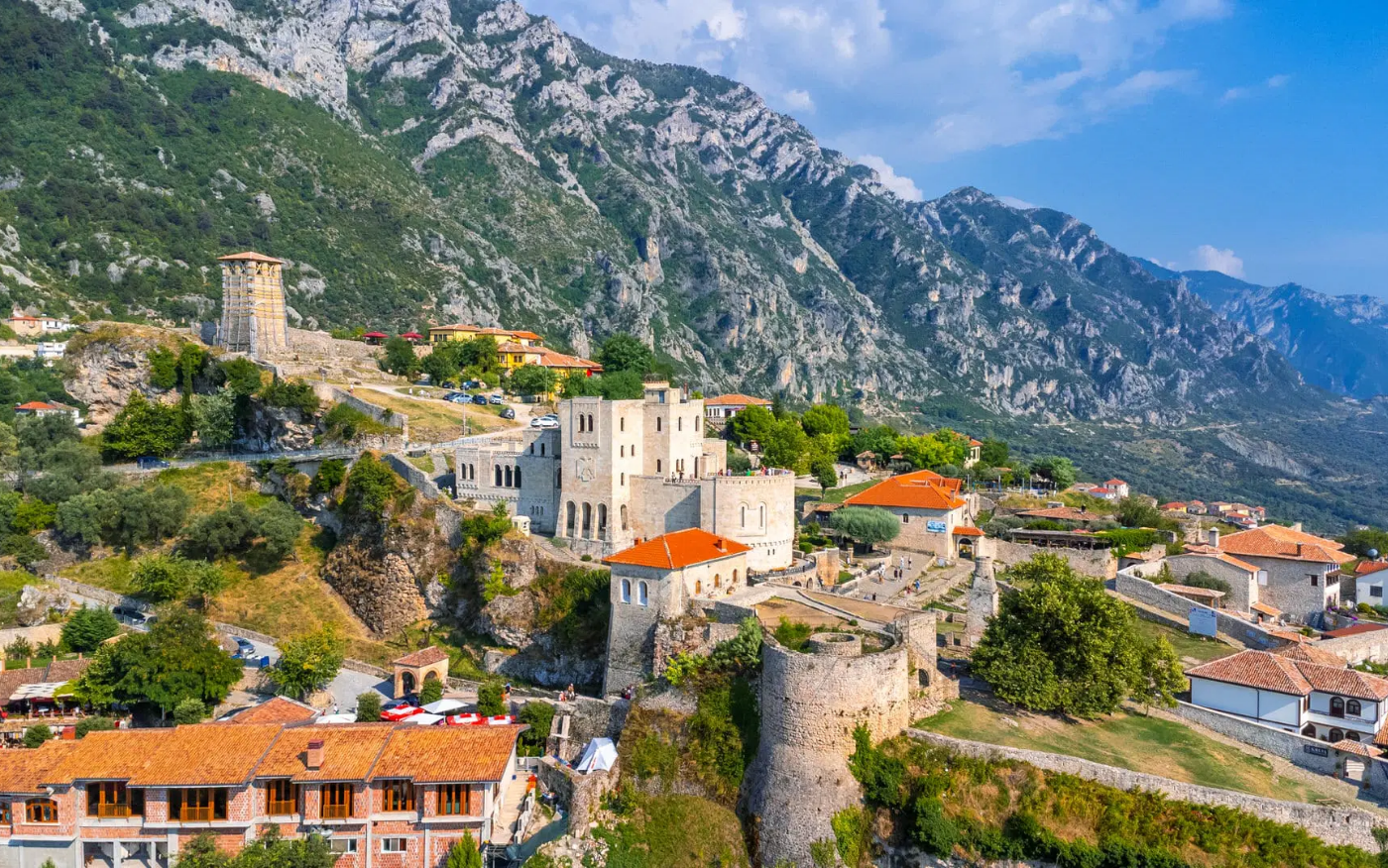
Kruja (also spelled Krujë) is a hillside town in the foothills of Mount Kruja, about 32 to 35 km north of Tirana, roughly 45 minutes to an hour by road. It is Albania's most important historical town, famous as the stronghold from which national hero Gjergj Kastrioti Skanderbeg held off the Ottoman Empire for a quarter-century in the 15th century. Most travellers visit as a half-day or full-day trip from Tirana, combining Kruja Castle and the Skanderbeg Museum with the Old Bazaar and, for those with more time, a drive or hike up to the Sari Salltik shrine. Best months: April to June and September to October, though Kruja works comfortably as a day trip year-round.
Every country has one place where its national story lives closest to the surface. In Albania, that place is Kruja. This is where Skanderbeg made his stand, where a mountain fortress became the symbol of Albanian resistance, and where, six centuries later, the castle still crowns the town exactly as it did then. Locals will tell you Kruja was briefly the capital of the medieval Albanian principality of Arbëri, and the town still carries itself with a certain pride that has nothing to do with size.
What makes Kruja an easy addition to any Tirana-based itinerary is how compact and rewarding it is. In three to four hours you get a working fortress with sweeping views to the Adriatic, one of the best museums in the country, and Albania's finest surviving Ottoman-era bazaar, still selling handmade rugs, filigree, and copperware rather than mass-produced souvenirs. For travellers building a luxury Albania itinerary, Kruja is the natural first or last stop, close enough to Tirana International Airport to slot in on an arrival or departure day, and substantial enough to justify a private guide and a slower afternoon.
Kruja Castle sits on a rocky outcrop above the town, with archaeological evidence pointing to habitation on the site as far back as the 3rd century AD and fortifications dating to the 5th century. By the 15th century the fortress had become Skanderbeg's headquarters, and it was from here that he led Albanian forces against repeated Ottoman sieges, a resistance that became the defining chapter of the country's medieval history.
The castle grounds are open around the clock and free to wander, with two museums inside the walls doing the real work of bringing the history to life.
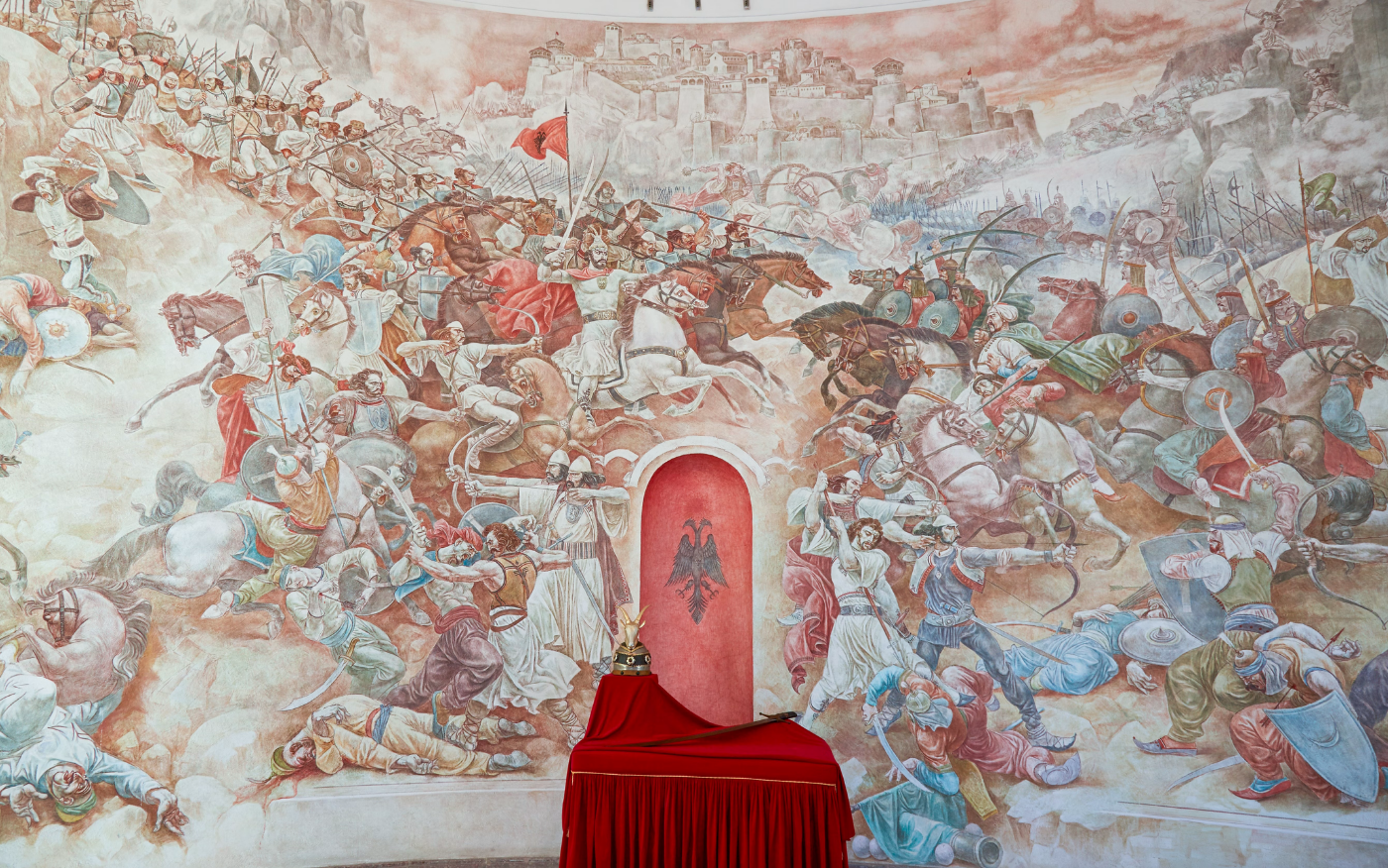
The Skanderbeg Museum, built in the early 1980s in a striking fortress-like structure, tells the story of Skanderbeg's campaigns and legacy through weapons, maps, and artwork. Even visitors who arrive knowing little about Albanian history find the museum gives useful context for everything else they'll see in the country.
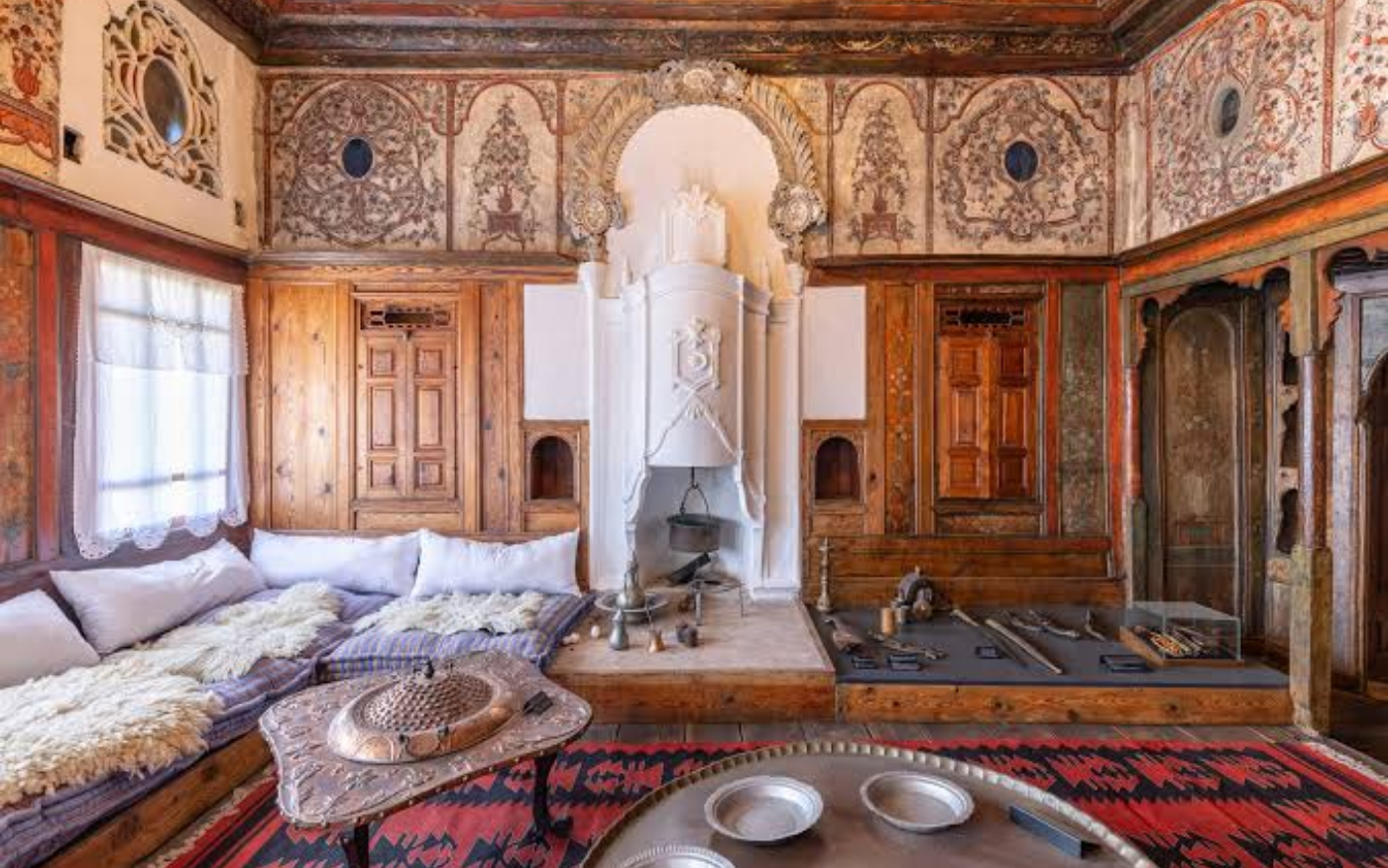
The Ethnographic Museum, housed in a beautifully preserved 19th-century Ottoman home within the castle grounds, shows how a well-off Kruja family actually lived, room by room, craft by craft.
From the ramparts, the views stretch across the rolling hills toward the Adriatic Sea, and locals agree the light is best in the late afternoon, when the stone walls turn gold.
Practical note: as of 2026 both the Skanderbeg Museum and the Ethnographic Museum are open daily from 9:00 am to 7:00 pm, though hours can shift seasonally or around public holidays, so it's worth confirming before you go. Bring cash, since many smaller vendors and ticket points in Kruja don't accept cards.
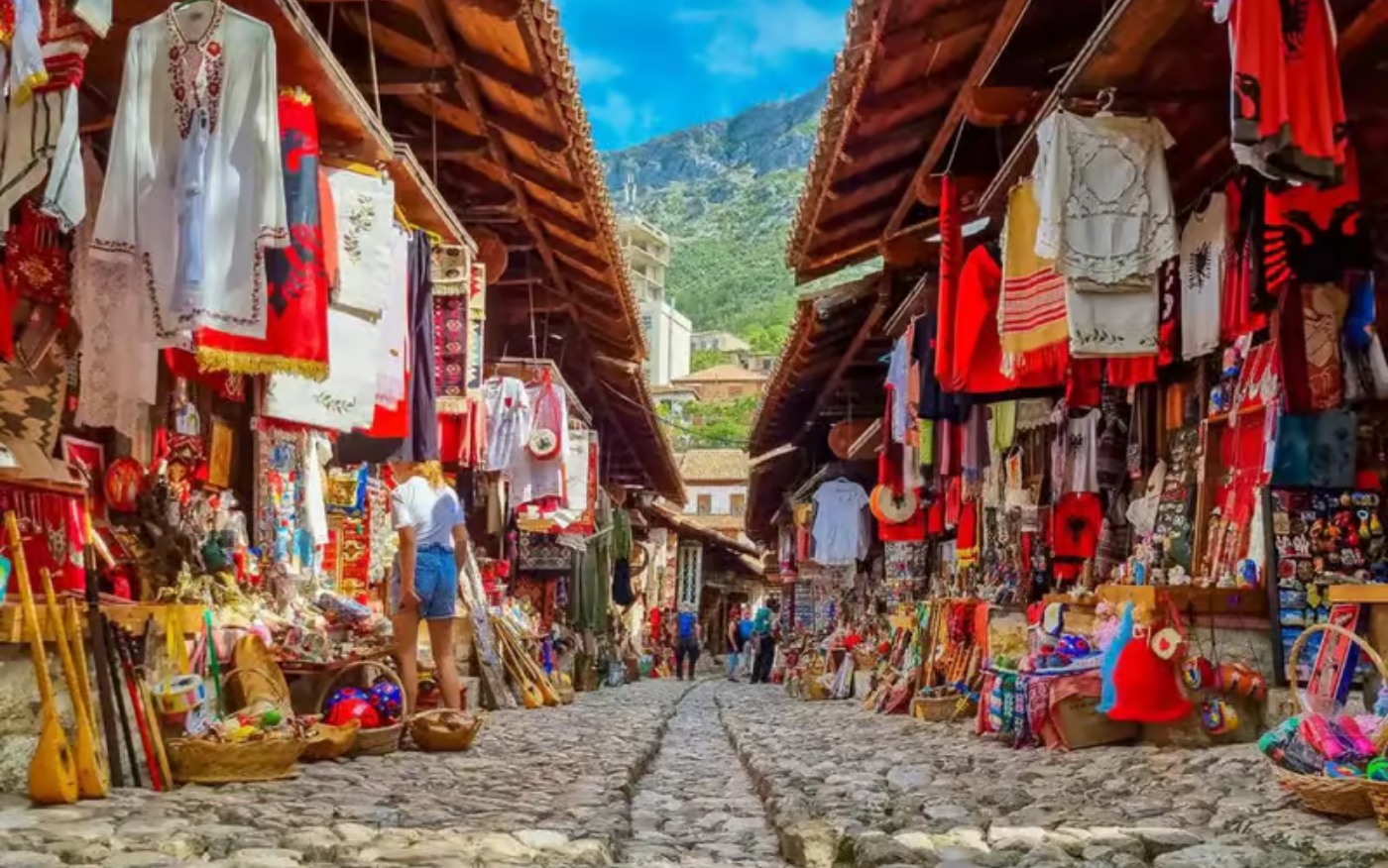
Just below the castle, the Old Bazaar (Pazari i Vjetër) is, for many visitors, the real reason to come to Kruja. This restored Ottoman-era market street, with roots going back centuries, is lined with wooden stalls and small workshops selling handwoven rugs, filigree jewellery, copperware, felt hats, and traditional Albanian textiles, alongside antique shops with genuine artifacts from the WWII and communist eras.
Unlike souvenir strips elsewhere in the country, this is a place where craftsmen still work in view of the street, and haggling is both expected and part of the experience. Arriving before mid-morning, ahead of the bigger group tours, is the easiest way to enjoy it at a slower pace and get the pick of the stalls. The bazaar's small traditional eateries are also the best place in town for lunch, serving authentic Albanian mountain cuisine a short walk from the castle gates.
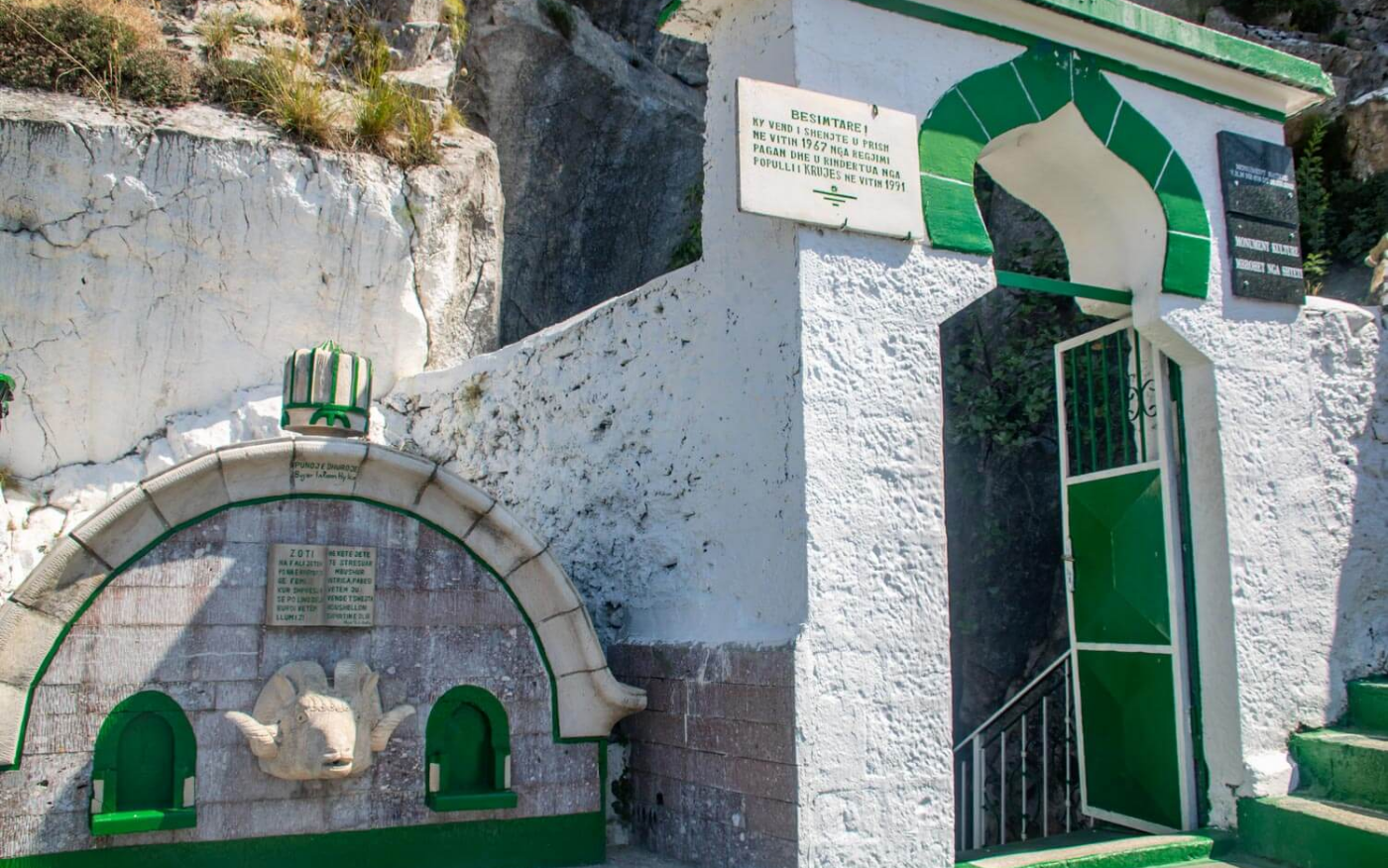
Above the town, Mount Kruja (also known as Sari-Salltik Mountain) offers Kruja's best outdoor add-on for travellers with a car or a few extra hours. The mountain is significant both as a natural landscape and as a place of deep spiritual meaning for Albania's Bektashi community, a moderate branch of Islam with a long history in the country.
The Sari Salltik Teqe, a cave shrine built into the mountainside roughly 15 metres deep, marks what is considered the beginning of teqe history in Albania, tied to a 13th-century Bektashi missionary, or Baba, venerated as a saint. A flight of around 60 steps leads down into the cave sanctuary itself. The site fell into ruin during Albania's atheist communist period and was restored after 1991; today it remains one of the country's most important pilgrimage sites.
Getting there is part of the appeal: a narrow, switchbacking mountain road climbs roughly half an hour above the town, or hikers can follow the trail on foot from Kruja for a more active half-day. Either way, the payoff is a sweeping panorama over Kruja, the surrounding plains, Tirana, and the Adriatic coast in a single view.
Kruja's kitchens lean into hearty mountain cooking. Look for tavë kosi (baked lamb and rice in a yoghurt sauce), grilled meats, byrek, and fresh bread from wood-fired ovens, best eaten at one of the small family-run restaurants around the Old Bazaar. Many terraces here double as viewpoints, so pair lunch or an early dinner with a table facing the valley, especially at golden hour when the castle walls catch the light.
April–June: comfortable walking weather, green hillsides, and clear conditions for the climb to Sari Salltik if you're extending the trip into a hike.
July–August: hot, and the castle and bazaar are at their busiest with day-trip groups from Tirana and the coast. Aim for an early morning or late-afternoon visit to beat both the heat and the crowds.
September–October: warm, clear light, and noticeably thinner crowds, arguably the best season for photography from the castle ramparts.
November–March: quiet and atmospheric, with the museums and bazaar open but far fewer visitors; a good option for travellers who prefer Kruja without the tour-bus rush.
From Tirana: about 32 to 35 km, roughly 45 minutes to an hour by car or private transfer on a direct, well-maintained road. Regular buses and furgons also run from Tirana, and a private transfer is the easiest option if you're combining Kruja with Sari Salltik or continuing on elsewhere the same day.
From Tirana International Airport (TIA): Kruja is close enough to the airport to make an easy first stop after landing or a last stop before a flight, generally under an hour by private transfer.
From Durrës: roughly 45 minutes to an hour, making Kruja a natural add-on for travellers based on the coast.
Getting around town: on foot. The castle, museums, and Old Bazaar are all within a short, mostly uphill walk of each other; a car or driver is only needed for the climb up Mount Kruja to Sari Salltik.
Most visitors treat Kruja as a day trip from Tirana and don't stay overnight, since it's so close to the capital. That said, a handful of small guesthouses and hotels near the castle let you experience the town after the tour buses leave, when the bazaar empties out and the mountain light turns gold over the valley, an atmosphere day-trippers never see. Rooms here are inexpensive by regional standards, making an overnight stay an easy add-on if you want unhurried castle views at sunset and sunrise.
Half a day: Kruja Castle, the Skanderbeg Museum, and a walk through the Old Bazaar. Enough for the essentials on a tight Tirana itinerary.
A full day: add the Ethnographic Museum, a proper lunch in the bazaar, and time to browse and haggle rather than rush.
A full day plus overnight: add the drive or hike up to Sari Salltik and a sunset dinner on a bazaar terrace, then stay the night to see the castle without the crowds the next morning.
We build private and small-group Kruja day trips year-round, licensed local guides, skip-the-line museum access, Old Bazaar shopping with trusted artisans, and the drive or hike up to Sari Salltik for travellers who want to go beyond the castle. [Browse our Albania tours] · [See Tirana day trips] · [Request a custom itinerary]
Yes. Kruja combines Albania's most important historical fortress, the country's best traditional bazaar for handmade crafts, and, for those with extra time, a scenic pilgrimage hike up Mount Kruja, all within a single, compact hillside town close to Tirana.
Kruja is known as the stronghold of national hero Skanderbeg during the 15th-century resistance against the Ottoman Empire, for Kruja Castle and the Skanderbeg Museum, for its historic Old Bazaar selling handwoven rugs and filigree, and for the Sari Salltik shrine on Mount Kruja.
About 32 to 35 km, roughly 45 minutes to an hour by car, private transfer, or bus.
Yes, and it's one of the easiest and most rewarding day trips from the capital. Three to four hours covers the castle, both museums, and the Old Bazaar; a full day allows time for lunch and the drive up to Sari Salltik.
The castle grounds themselves are generally free and open around the clock. The Skanderbeg Museum and Ethnographic Museum inside the walls charge separate entry tickets; bring cash, as many vendors and ticket points in Kruja don't accept cards.
April to June and September to October offer the most comfortable weather for walking the castle grounds and, if you're extending the trip, hiking up to Sari Salltik. Kruja is a viable day trip in any season.
Yes. The Old Bazaar is widely considered the best place in Albania to buy genuinely handmade crafts, rugs, copperware, filigree jewellery, and antiques, rather than mass-produced souvenirs, and haggling is part of the experience.
Yes. Albania has low rates of crime against visitors. In Kruja, the main practical considerations are steep, sometimes uneven paths up to the castle and narrow, winding mountain roads if you're driving up to Sari Salltik.
